Namibia is widely regarded as one of the safest and most stable countries in Africa to travel — peaceful, politically settled, and genuinely welcoming to visitors. Violent crime against tourists is rare, and huge numbers of people explore the country every year, many of them self-driving, without incident.
That doesn't mean switch your judgement off. The real risks in Namibia aren't what most first-timers expect: the thing to respect isn't crime, it's the road. Here's an honest, practical picture.
Is Namibia safe for tourists?
Broadly, yes. Namibia is stable and peaceful, with a long-established tourism industry and a reputation for friendliness. Most journeys pass without any trouble at all, and it's a country where self-drive travellers, families and first-time visitors to Africa all feel comfortable.
The main thing to be sensible about is opportunistic petty theft in the larger towns — Windhoek and Swakopmund especially — exactly as you would in any city. Don't leave valuables visible in a parked car, avoid displaying expensive gear, use hotel safes, and stick to well-lit, busier areas after dark. Away from the towns, in the parks and the deep desert, crime is barely a consideration.
Staying safe on Namibia's roads
This is the part that matters most. Namibia's biggest traveller risk by far is driving, not crime — the road network is largely gravel, and most serious incidents are single-vehicle rollovers caused by too much speed on a loose surface. The one rule never to break: don't drive after dark outside the towns, when wildlife and livestock stray onto unlit roads. Keep your speed sensible on gravel, plan to arrive before sunset, and you remove almost all of the risk.
Because the driving is the thing to get right, we've written it up in full on its own — see our complete guide to self-driving Namibia for choosing a vehicle, gravel-road technique, fuel and distances, and the rules of the road.
Health, wildlife and the desert
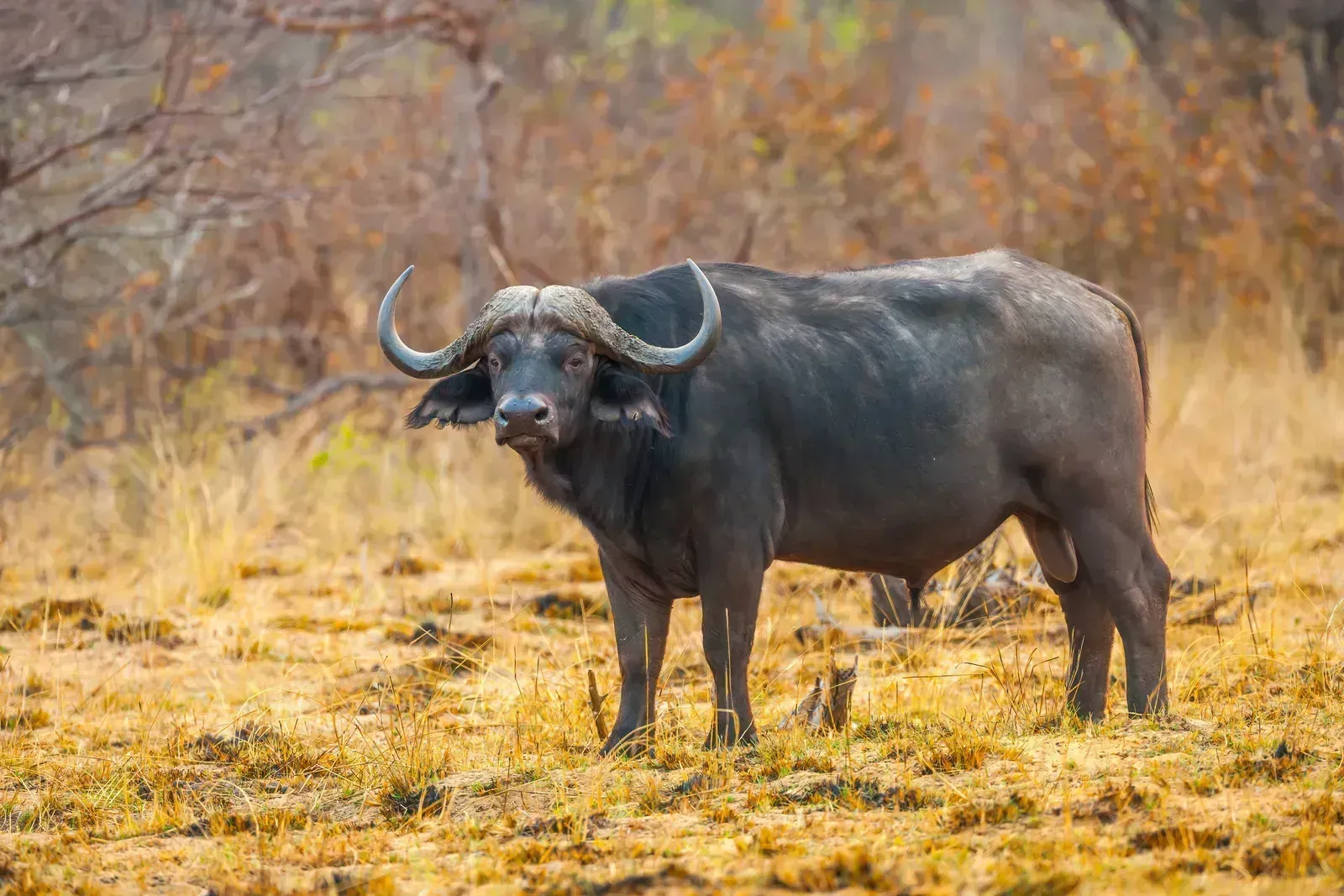
There is a malaria risk in the far north — the Zambezi Region, Kavango and around the Kunene, and seasonally on the northern fringes — mainly in the wetter months. If your route includes those areas, speak to a travel clinic before you fly about whether to take antimalarials; the drier central and southern parts of the country are not malaria areas. This isn't medical advice, just a flag to get proper guidance for your specific route.
The desert itself asks for more everyday care than any animal does: the sun is intense, so cover up, use high-factor sunscreen and drink far more water than you think you need. Respect wildlife by keeping your distance and staying in your vehicle in the parks. Tap water is generally safe in towns and lodges, though many travellers prefer bottled or filtered water to be sure.
Is Namibia safe for solo and female travellers?
Namibia is a popular and generally comfortable destination for solo travellers, including women, and self-drive solo trips are common. The usual sensible precautions apply — favour daylight driving, let someone know your route, keep your phone charged, and trust your instincts in unfamiliar towns after dark. Many solo visitors find the country's quiet, spacious and low-hassle feel one of its real pleasures.
Common questions
Is Namibia safe for tourists?
Yes. Namibia is one of Africa's most stable and peaceful countries, and violent crime against tourists is rare. The main precaution is guarding against petty theft in larger towns like Windhoek and Swakopmund, as you would in any city.
Is it safe to self-drive in Namibia?
Yes, self-driving is the classic way to see Namibia and very popular. The key is respecting the gravel roads: keep speeds moderate, avoid over-correcting, and never drive after dark outside towns, when wildlife on the roads makes it dangerous.
Is it safe to drive at night in Namibia?
No — driving after dark on rural roads is the one thing to avoid. Wildlife and livestock stray onto unlit gravel roads at night, so plan to reach your destination before sunset every day.
Do I need malaria tablets for Namibia?
Only for some regions. There is a seasonal malaria risk in the far north (the Zambezi Region, Kavango and around the Kunene); the central and southern areas are malaria-free. Ask a travel clinic based on your exact route and travel dates.
Is Namibia safe for solo female travellers?
Generally yes. Namibia is a comfortable, low-hassle destination for solo travellers, including women, with common-sense precautions — favour daylight driving, share your route, and be street-aware in towns after dark.
What happens if there's a medical emergency in Namibia?
Windhoek and the coastal towns have good private hospitals and clinics; more remote areas rely on clinics or emergency evacuation. Travel insurance with medical evacuation cover is worth having for any trip beyond the main towns, and we share emergency contacts specific to your route when we plan your trip.
Plan your Namibia trip
Every Sandura journey is private and built by hand — self-drive, privately guided or fly-in, shaped to how you like to travel and to your budget. Tell us what you're hoping for and we'll come back to you personally.
Plan your trip