A Namibia safari looks different from the classic East African one. The wildlife is superb — big herds, big cats, rhino and elephant — but it comes wrapped in the most dramatic scenery on the continent: red dunes, salt pans, canyons and an empty coast. It's also one of the few places where a self-drive safari is genuinely easy, which opens up how you can travel.
Here's how to think about planning one — where to go, how to travel, and when.
What makes a Namibia safari different
Two things set it apart. First, the desert-adapted wildlife and the waterhole game-viewing at Etosha, where you park and let a dozen species come to the water rather than tracking them through bush. Second, the space: Namibia is vast and lightly visited, so sightings rarely come with a queue of vehicles. It's a safari you can combine with dunes, canyons and coast in a single trip.
Where to go on safari in Namibia
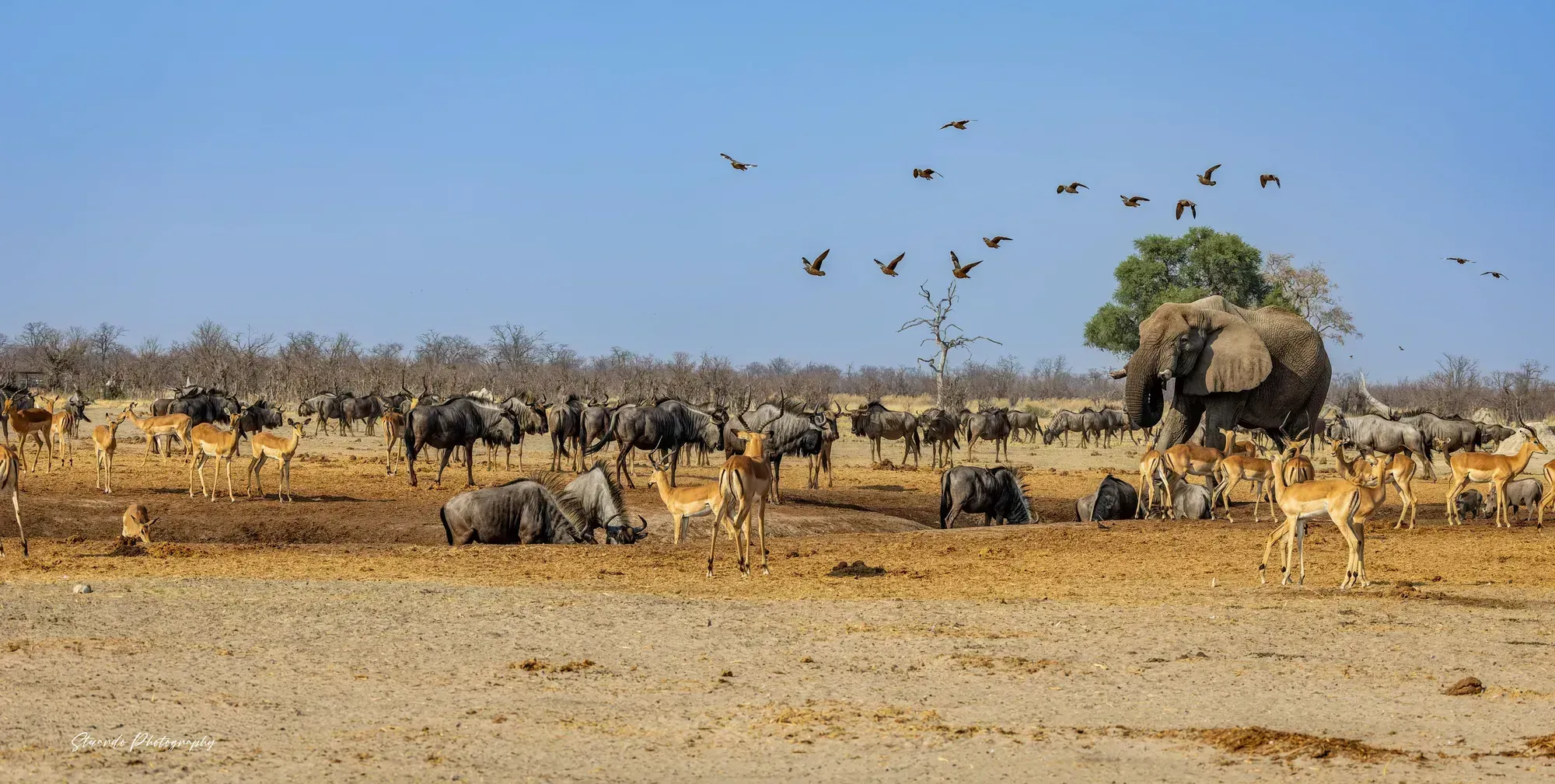
You can build a safari around one park or thread several together. The headline options:
- Etosha National Park — the country's flagship: waterhole safaris, four of the Big Five, and superb dry-season game viewing.
- The Caprivi / Zambezi Region — a lush, river-based safari in the north-east, with big elephant herds, hippo and 400-plus birds, and a gateway to Chobe and Victoria Falls.
- Damaraland and the north-west — desert-adapted elephant and rhino in raw, cinematic scenery, best explored with a guide.
- Guided desert & coast expeditions — multi-day 4x4 journeys up the Skeleton Coast or into the restricted Meob Bay concession for desert-adapted wildlife and shipwreck-strewn coastline, or further still on our guided Angola Adventure across the border.
- Private reserves and concessions — exclusive traversing and guided tours for those wanting a more curated and exclusive experience. We match you with the best guides.
Self-drive, guided or fly-in?
This is the big decision, and Namibia genuinely suits all three. It comes down to travel style, confidence and how hands-on you want to be.
Self-drive safari
The classic Namibian way: your own vehicle, your own pace, and the freedom to sit at a waterhole as long as you like. The parks are well set up for it, the roads are good, and it's the most affordable option — ideal for confident travellers who enjoy the journey itself. Our full self-drive Namibia guide covers vehicles, gravel roads and distances.
Privately guided
A professional guide and vehicle throughout. You give up a little independence and gain a lot of knowledge — someone who reads the tracks, knows which waterholes are producing, and handles all the logistics. The sweet spot for many first-timers and for wildlife-focused trips.
Fly-in safari
Light aircraft between remote camps, trading long drives for more time on the ground and access to areas that take days to reach by road. The most premium travel style, and the way to see the wildest corners in limited time.
When to go on safari
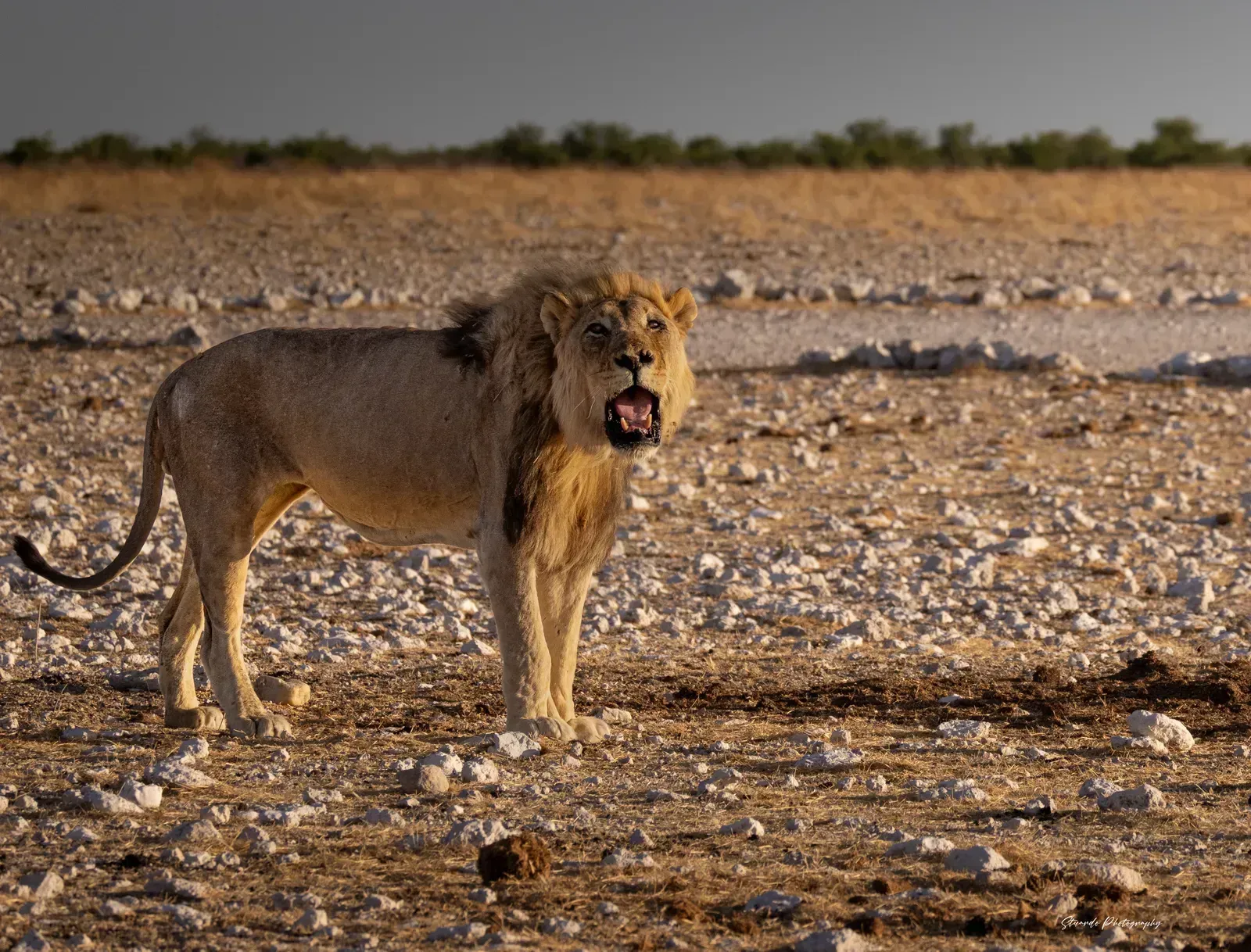
For wildlife, the dry season (May to October) is best: animals concentrate at the waterholes and are easy to spot, with September and October the peak. The green season (November to April) is quieter and greener, better for birds and newborn animals but harder for big-game sightings. Our month-by-month guide to the best time to visit Namibia breaks this down in detail.
Planning your Namibia safari
- Give a safari at least two to three nights in a park to get more than one crack at the big sightings.
- Combine a park with the dunes and coast for the full Namibian range — most 10-to-14-day trips do exactly this.
- Short on time? Our 6-day Wildlife & the Atlantic route pairs Etosha with the coast without the extra driving.
- Costs scale with how you travel: self-drive is the most affordable, fly-in the most premium, privately guided in between.
- Book in-park camps and popular lodges months ahead for the dry season — they sell out.
Common questions
Is Namibia good for a safari?
Yes — it's one of Africa's best and most distinctive safari destinations. Etosha offers superb, easy waterhole game-viewing, the country is safe and uncrowded, and a safari here combines with deserts, canyons and coast in one trip.
What animals can you see on a Namibia safari?
Elephant, lion, leopard, cheetah, and both black and white rhino (Etosha is a black-rhino stronghold), plus giraffe, zebra, oryx, springbok and, in the Caprivi, hippo and huge birdlife. There's no buffalo in Etosha, so it holds four of the Big Five.
Is a self-drive or guided safari better in Namibia?
Both work well. Self-drive is affordable and flexible and suits confident travellers; a private guide adds expertise and handles logistics, ideal for first-timers or wildlife-focused trips. Fly-in safaris are the premium, time-saving option.
When is the best time for a Namibia safari?
May to October, the dry season, when wildlife gathers at the waterholes and is easiest to see — September and October are the peak. The green season is quieter and better for birds but harder for big game.
How many days do you need for a Namibia safari?
Allow at least two to three nights in a wildlife park. A well-rounded Namibia trip that includes safari plus dunes and coast usually runs ten to fourteen days.
How much does a Namibia safari cost?
It varies widely by style: a self-drive safari is the most affordable, a privately guided trip costs more, and fly-in safaris between remote camps are the most premium. The season and lodges you choose also make a big difference.
Can I combine a guided 4x4 expedition with a more traditional safari?
Yes — our guided Skeleton Coast, Meob Bay and Angola Adventure expeditions pair naturally with time at Etosha or Caprivi, combining desert-adapted wildlife and dramatic coastline with a classic waterhole safari.
Plan your Namibia trip
Every Sandura journey is private and built by hand — self-drive, privately guided or fly-in, shaped to how you like to travel and to your budget. Tell us what you're hoping for and we'll come back to you personally.
Plan your trip