The case for flying, in one itinerary: the towering red dunes of Sossusvlei, the waterhole safari at Etosha, and the lush river world of the Caprivi Strip — three of Namibia's most different landscapes, linked by light aircraft instead of the two long driving days each leg would otherwise cost.
These places are genuinely far apart — Sossusvlei to the Caprivi is close to the length of the whole country. Self-drive or guided, that's a trip built around the driving; fly-in turns it into a trip built around the destinations, with more time on the ground at each one and none of it spent on the road.
Eight days, seven nights, three camps: built for guests with limited time and a long wish list — our most premium way to travel.
A note on day one: morning arrivals into Windhoek can start the route the same day, but if you land after midday we recommend a first night in or near the capital — the distances out here are real, and the trip is better begun rested.
Why fly-in?
Fly-in
These three places are genuinely far apart — Sossusvlei to the Caprivi is close to the length of the whole country. Fly-in turns that distance into more time on the ground at each stop instead of two long driving days between them.
The route
Windhoek – Sossusvlei – Etosha – Caprivi Strip – Windhoek
In pictures
Day by day
- Days 1–2
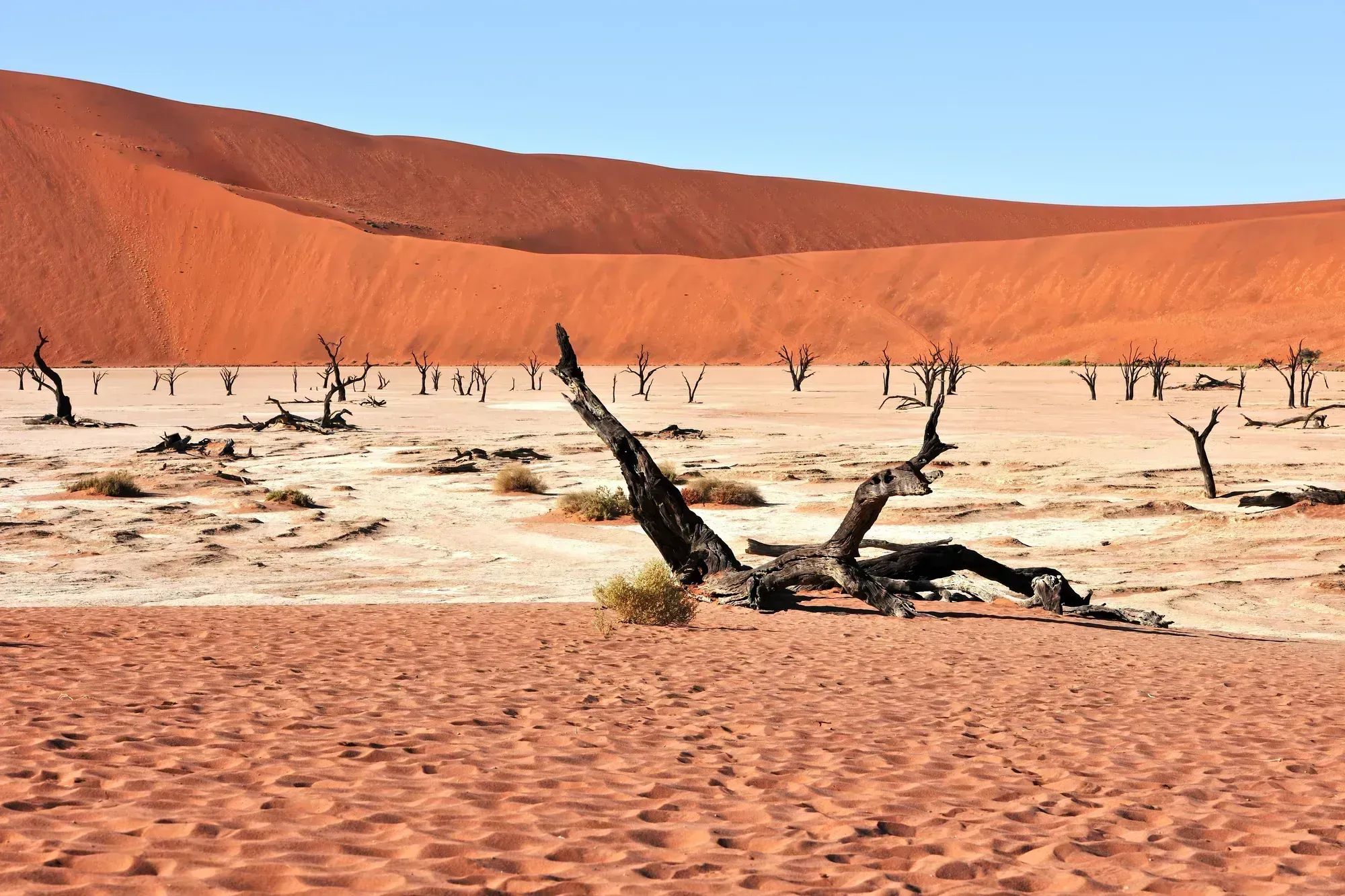
Sossusvlei
2 nightsClimb Sossusvlei’s towering star dunes at first light, when the sand burns orange and shadows turn knife-sharp over a stark, white clay pan beneath a completely unyielding desert sky.
Read the full Sossusvlei guide → - Days 3–4
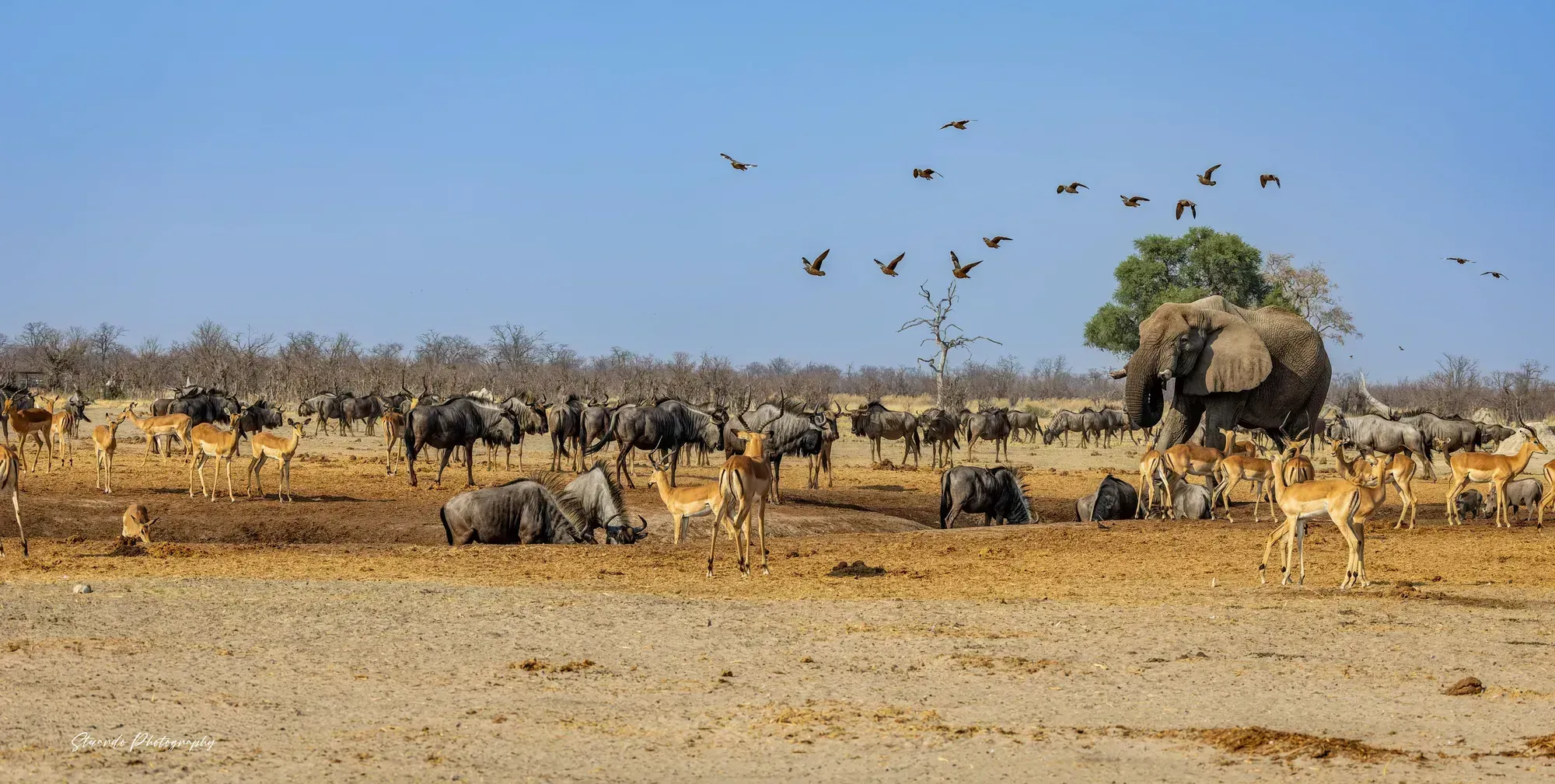
Etosha
2 nightsA salt pan so vast it's visible from space — and a waterhole theatre where the wildlife comes to you.
Read the full Etosha guide → - Days 5–7
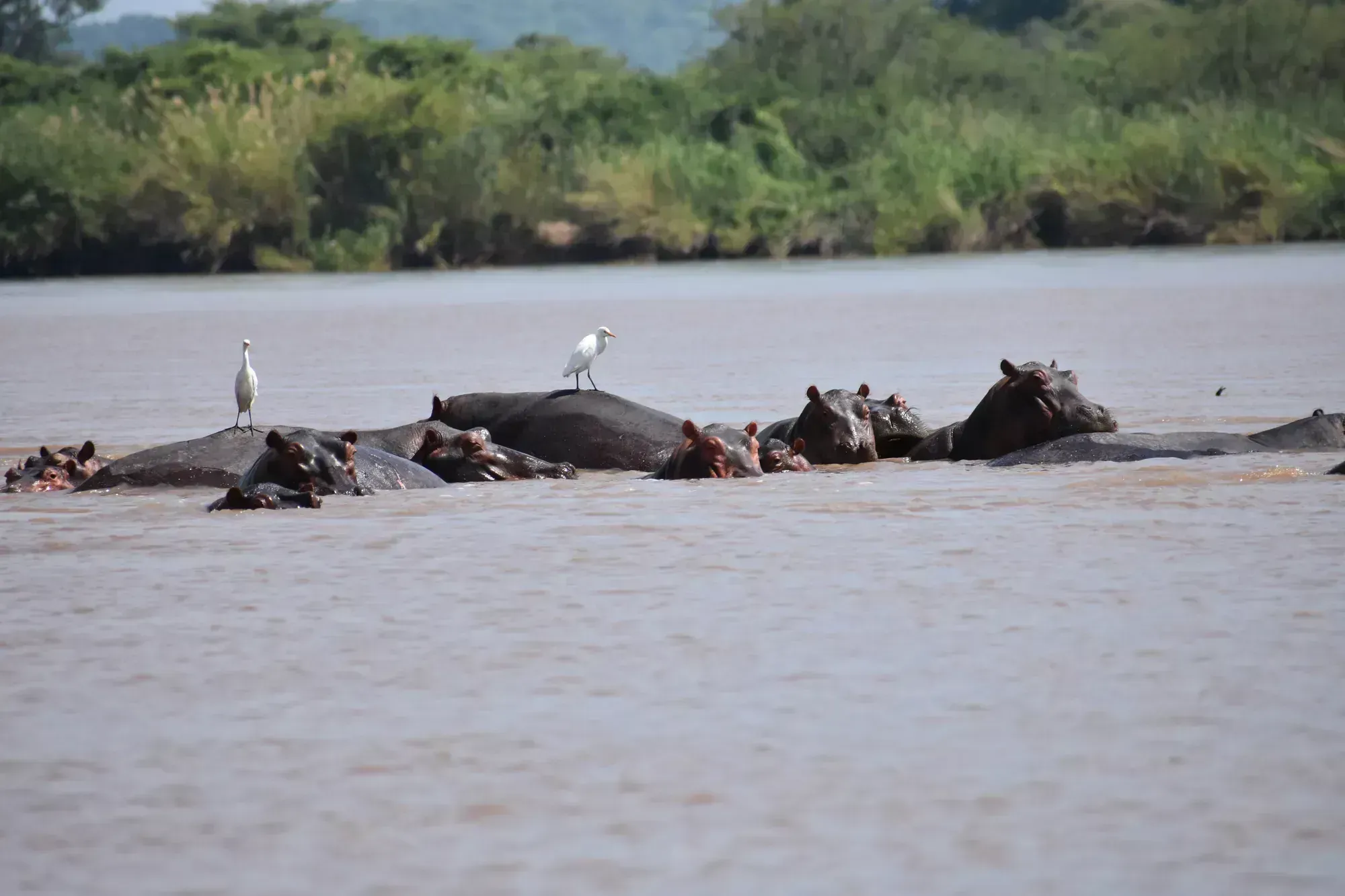
Caprivi Strip
3 nightsNamibia's lush, subtropical water-world safari—discover the Zambezi Region's luxury river lodges, abundant big game, and seamless access to Chobe National Park and Victoria Falls.
Read the full Caprivi Strip guide → - Day 8
The road home
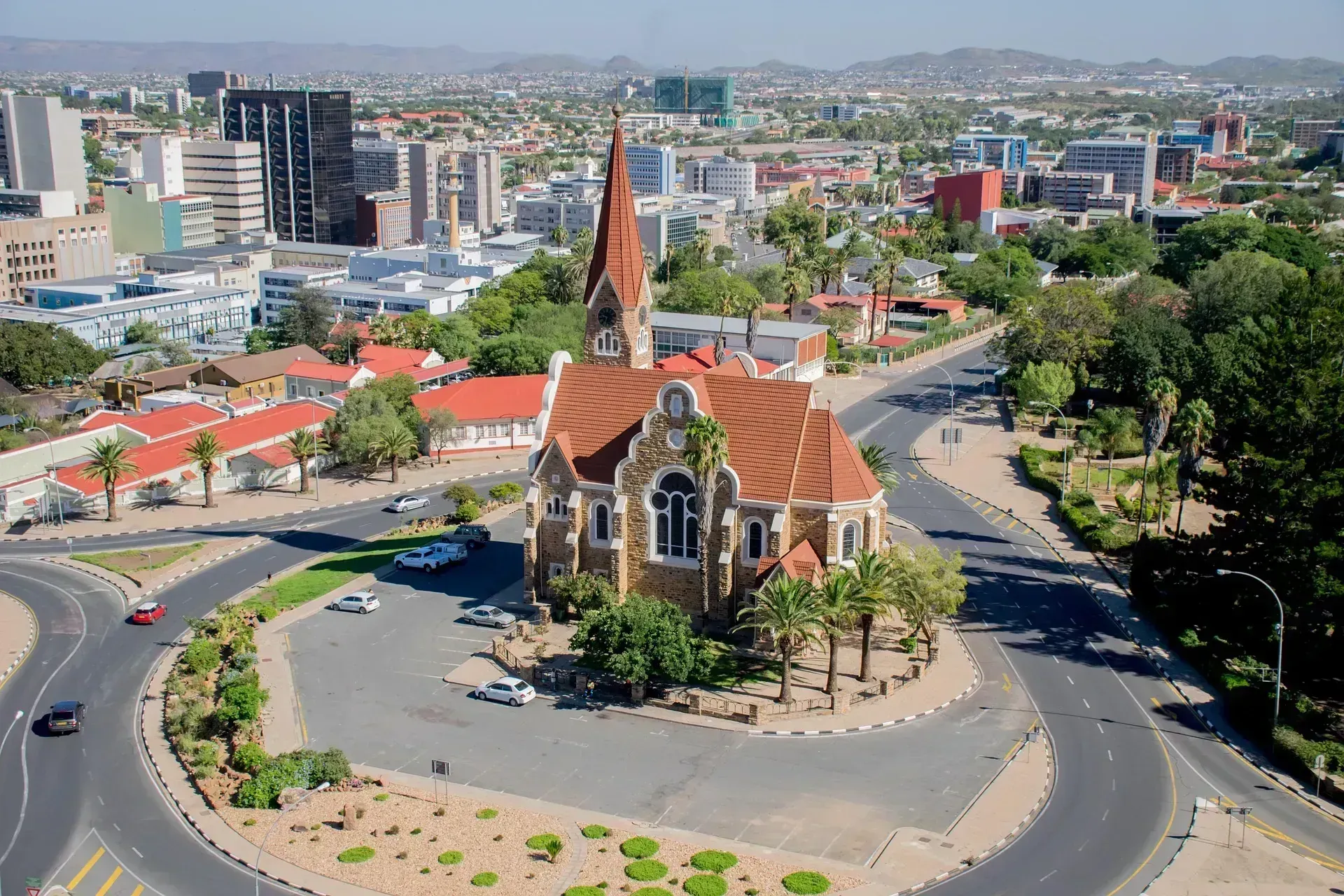
An unhurried drive back to Windhoek closes the loop — timed so you're in the capital with breathing room before your flight or your next adventure.
Read the full Windhoek guide →
When to Go
May to October, Namibia's dry season, is the strongest overall window for this circuit — Etosha's wildlife concentrates at the waterholes, Sossusvlei's dunes are at their most photogenic, and the Caprivi's rivers are navigable without the sometimes-flooded access of the wet months. Because flying links three genuinely different ecosystems in one trip, this route is also the most forgiving of the shoulder months (April and November) if your dates don't line up perfectly with peak season — flying means no single leg is ruined by a rain-softened road the way a self-drive trip through the same three regions might be. For the month-by-month detail, see our Best time to visit Namibia guide.
Good to know before you go
Flying between camps
- Light aircraft have real weight and space limits — expect soft-sided bags only, generally around 12–15kg per person. We confirm your exact allowance once your charter is booked.
- Departure times are set by weight-and-balance calculations and weather, not a fixed timetable — mornings tend to be the most reliable flying window, so early starts are normal rather than a sign anything's wrong.
Sun, water & health
- This is desert and wetland country back to back — pack for both. SPF50, a hat and sunglasses for the dunes; light, breathable layers for the river heat.
- Tap water is generally safe in Namibia's towns and lodges, but as a visitor we'd still recommend sticking to bottled — camps in more remote areas will confirm on arrival if anything's different.
- Etosha and Caprivi Strip sit in a low-to-moderate seasonal malaria area. Worth a quick word with your doctor before you fly — see our Is Namibia safe? guide for the full picture.
Respecting the land
- Namibia was the first country to write conservation into its constitution, and the remote camps this kind of trip reaches exist because of it — stick to marked trails and hides, and leave every natural formation exactly as you found it.
- It's illegal to take home natural souvenirs from anywhere in the country, however small.
- Pack out everything you bring in — camps are remote, and litter doesn't get collected quickly out here.
- The wildlife you're there to see is wild, not staged: keep your distance on walks and drives, follow your guide's lead without exception, and never approach or feed an animal for a better photo. Don't be a hero — the story worth telling is the one where everyone gets to tell it.
What's included
- All light-aircraft charter legs between stops
- 7 nights across 3 hand-picked camps/lodges
- Park and conservancy entrance fees
- Activities named for each stop (game drives, boat cruises)
- Personalised trip planning and 24/7 support
- International and domestic scheduled flights to/from Namibia
- Travel insurance
- Meals and drinks not specified at each stop
- Gratuities for guides and lodge staff
Make Namibia by Air: Dunes to the Delta your own
One tap loads every stop, night and drive of this route into our interactive planner — swap lodges, stretch the nights, add a 4x4 and watch the live per-person cost estimate follow along, then send the whole plan to us on WhatsApp.
Plan this routeCommon questions
Do I need any road-trip experience for a fly-in itinerary?
No — that's rather the point. Beyond the walking each camp's activities involve, there's no driving at all; light aircraft handle every leg between stops.
What can I bring? Is there a luggage limit?
Yes — light aircraft have real weight and space limits, typically soft-sided bags only, around 12–15kg per person. We confirm the exact allowance for your specific charter when we plan your trip.
Can this be combined with a few self-drive or guided days?
Yes, and it's a common way to build a longer trip — a short self-drive or guided add-on at either end, with the flying reserved for the long inland hops this route is built around.
Why is the price 'on request' rather than shown here?
Fly-in pricing depends on current charter availability and seasonal lodge rates, which shift more than road-based stays. We confirm both with our partners once we know your dates, rather than publish a number that could be stale by the time you book.
How does weather affect a fly-in itinerary?
Namibia's flying weather is reliable most of the year — light aircraft do sometimes adjust timing for wind or visibility, built in as normal operational buffer rather than a sign of trouble. Significant delays are rare outside the December–March wet season.
Is this trip suitable for young children?
Camps and charters vary — some lodges set minimum ages for game drives or walks, and light aircraft have per-passenger weight limits that matter for family bookings. Tell us the ages when we plan your trip and we'll match camps that work for your group.