Lüderitz is a pocket of old Bavaria washed up on the edge of the Namib — art-nouveau facades, a church on the hill, and a harbour worked by a cold, fish-rich sea.
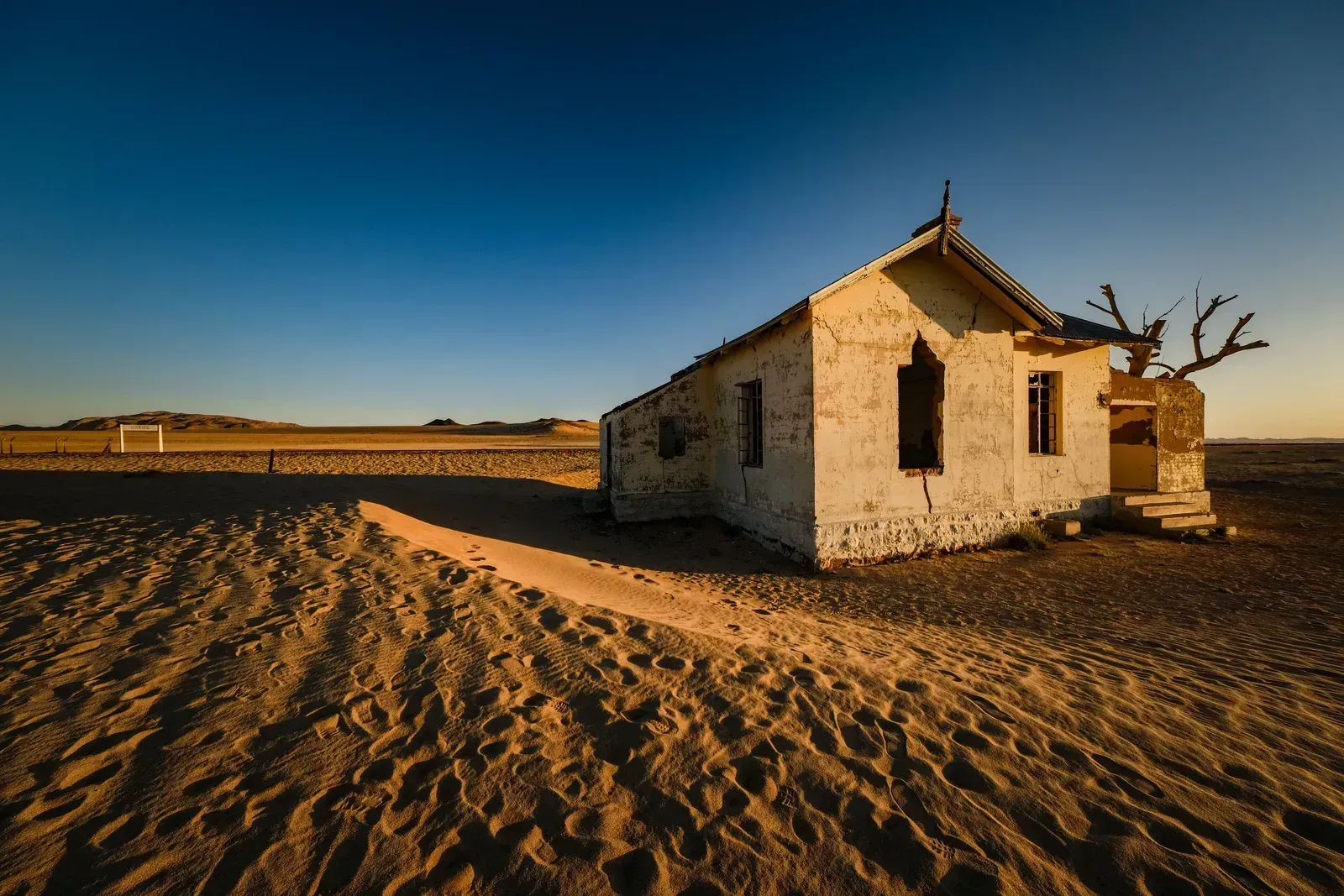
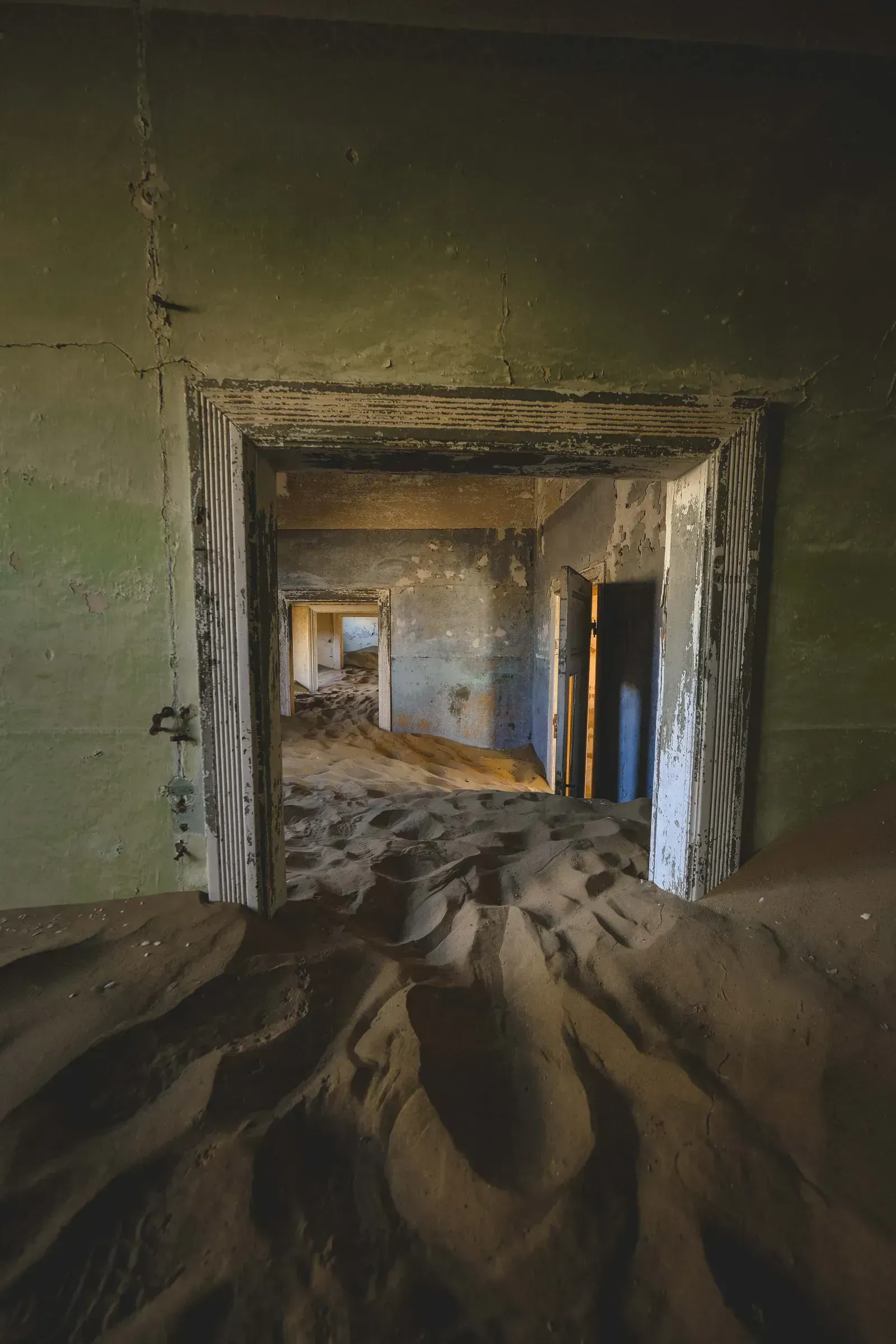
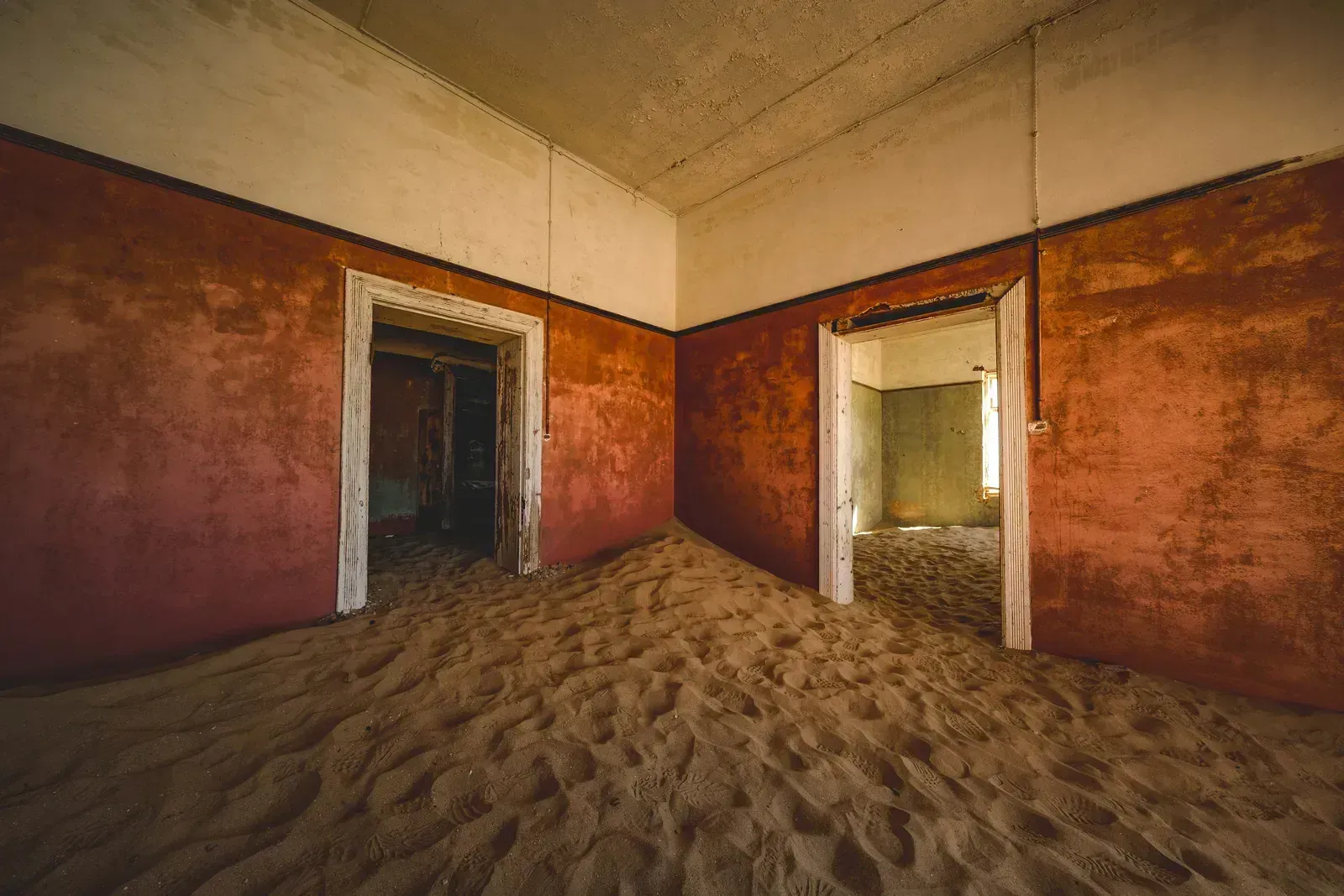
Just inland sits Kolmanskop, where a diamond fortune was made and abandoned to the dunes. A century ago, it was among Africa's wealthiest towns, its riches literally picked off the open sand by lamplight. Today, you wander through grand, paneled rooms with the desert sands drifted knee-deep across the floors.
Back on the coast, Lüderitz rewards a slow morning: the Felsenkirche on its rocky perch, fresh Atlantic oysters, and marine safaris out to colonies of penguins and seals. The fierce wind rarely lets up, but the sharp, coastal light is like nowhere else on earth.
Lüderitz: a German town on a wild coast
Lüderitz is a pocket of old Bavaria washed up on the edge of the Namib — art-nouveau facades, a church on a rocky hill, and a working harbour on a cold, fish-rich sea. It grew rich almost overnight when diamonds were found in the surrounding sands in the early 1900s, and that improbable history is written all over its architecture. Today it's a characterful, windswept base for exploring the far south-west coast, with the ghost town of Kolmanskop just up the road.
The fierce coastal wind rarely lets up, but the sharp, clean light is like nowhere else in Namibia — and the town rewards a slow morning as much as a busy one.
Kolmanskop: the diamond ghost town
About fifteen minutes inland from Lüderitz lies Kolmanskop, the diamond ghost town the Namib is slowly swallowing. When a railway worker picked a diamond straight off the sand here in 1908, a rush followed almost overnight, and German settlers raised an improbably lavish town in the dunes — grand houses with sweeping verandas, a ballroom and theatre, a bowling alley, an ice factory, and a hospital said to hold the first X-ray unit in the southern hemisphere. For a brief moment Kolmanskop was among the wealthiest towns in Africa.
The boom didn't last. As the shallow, easily gathered stones ran out and far richer diamond fields were found to the south near Oranjemund, Kolmanskop began to empty; by 1956 the last residents had gone, and the desert moved in. Today you walk through grand, peeling rooms with sand drifted knee-deep across the floors and pouring through the doorways — one of the most photographed abandoned places on earth, and hauntingly beautiful in the sharp coastal light.
Visiting Kolmanskop
Kolmanskop is open to visitors on a permit bought at the gate, with guided tours each morning that tell the story of the town's rise and fall before you're free to wander the sand-filled houses on your own. Come early — the low morning sun rakes across the dunes inside the rooms, and photographers can arrange special sunrise and sunset permits for the empty, golden hours when the light is at its most cinematic. We arrange the permits, timing and a knowledgeable local guide as part of any route through here.
Things to do in Lüderitz
- The Felsenkirche (Rock Church) on its perch above town, best at sunset for the light through its stained glass.
- Fresh Atlantic oysters — Lüderitz's cold, clean waters produce some of the best in Southern Africa.
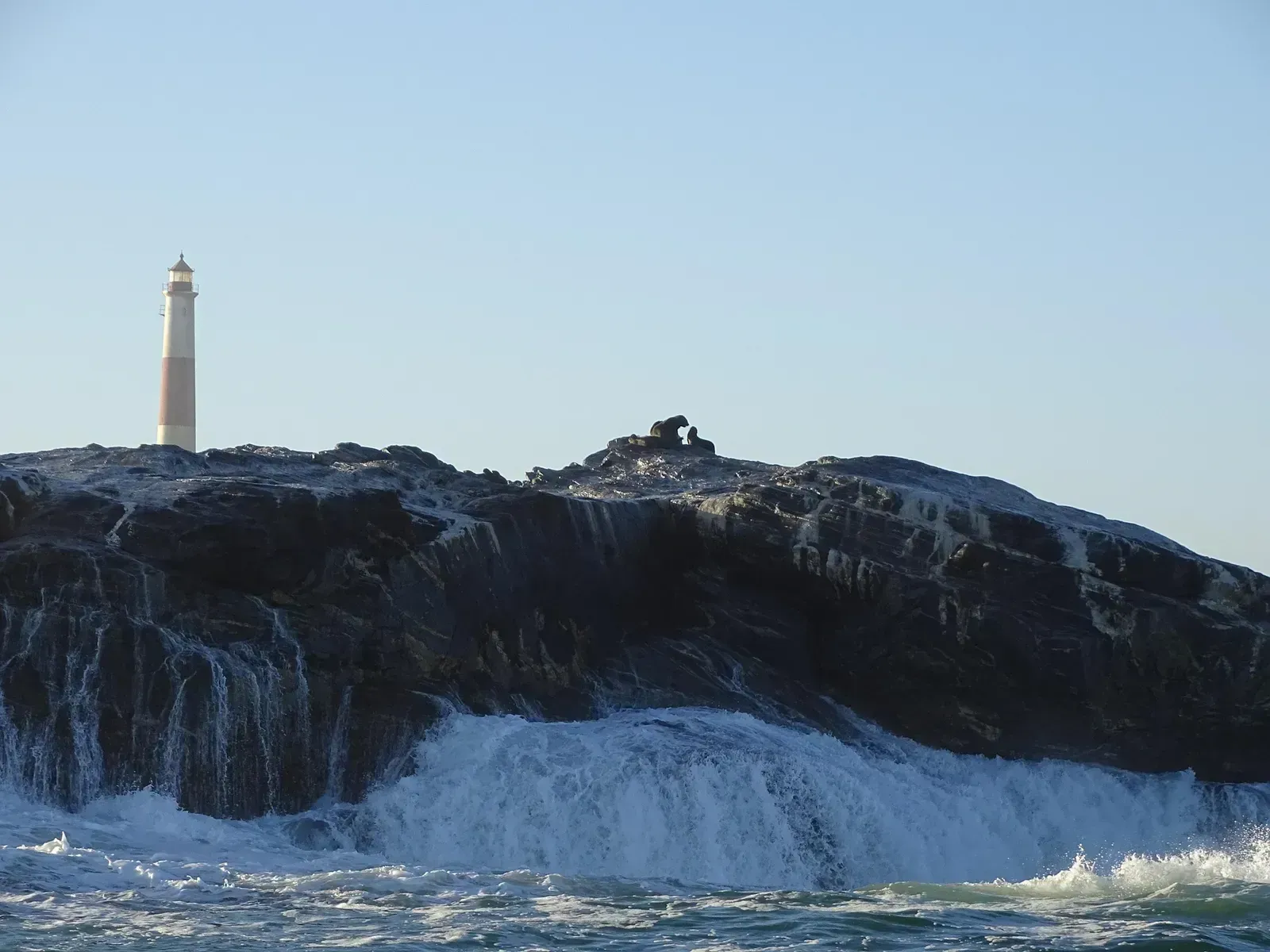
- A marine catamaran cruise to the penguin, seal and flamingo colonies around Halifax Island and Diaz Point.
- Goerke House and the art-nouveau streets, relics of the diamond-boom wealth.
- Dias Point, where the Portuguese navigator Bartolomeu Dias planted a cross in 1488.
Where to stay and how to plan Lüderitz
Lüderitz sits at the end of a long tar road across the desert (watch for wild horses near Aus on the way in), and pairs naturally with the classic far-south loop — Fish River Canyon, the Quiver Tree Forest and Aus. Most travellers give it a night or two: enough for a Kolmanskop morning, a harbour cruise and an oyster lunch. We base guests at a comfortable harbour or town hotel and time the Kolmanskop permit and cruise around the wind and the light.
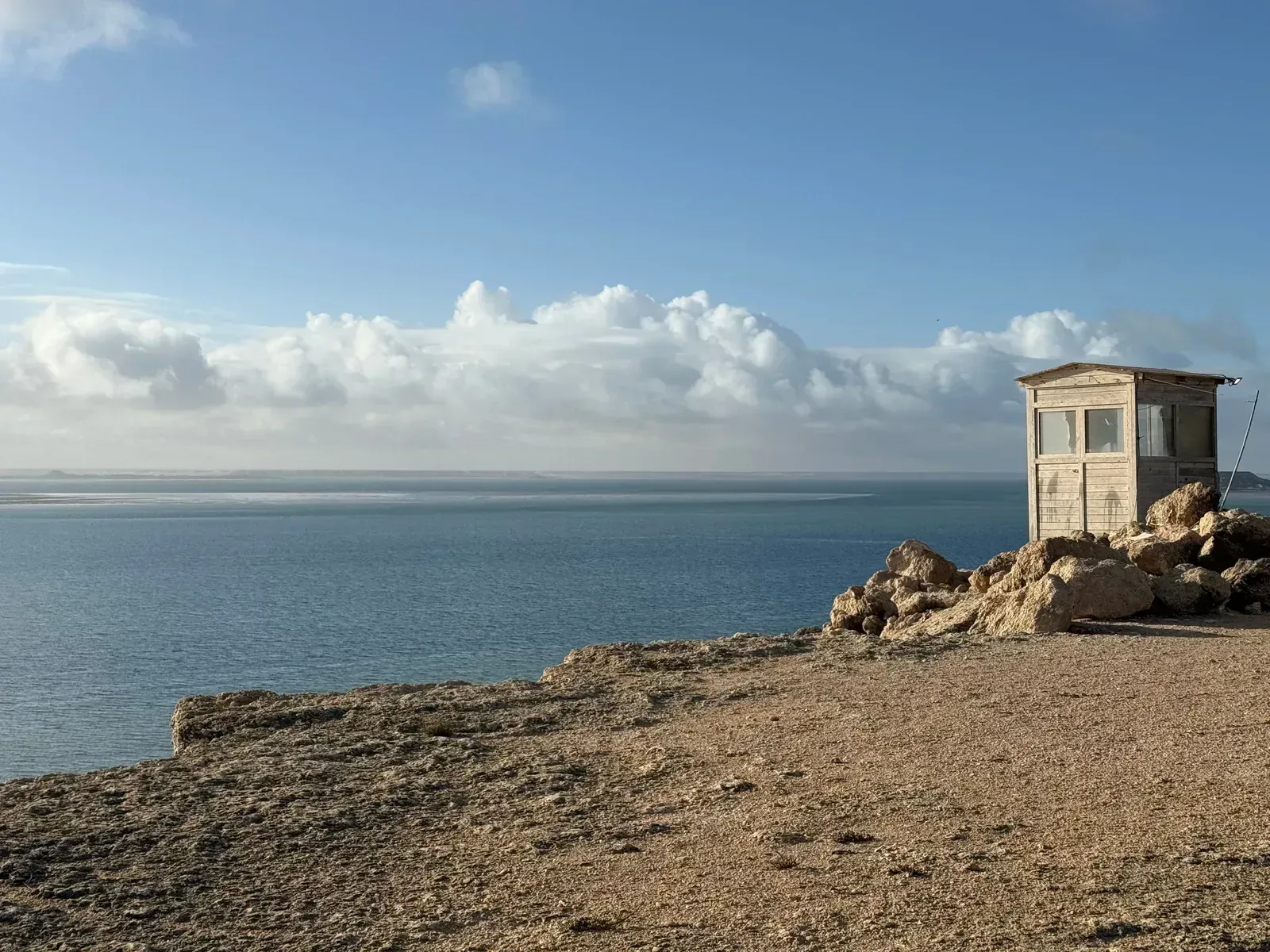
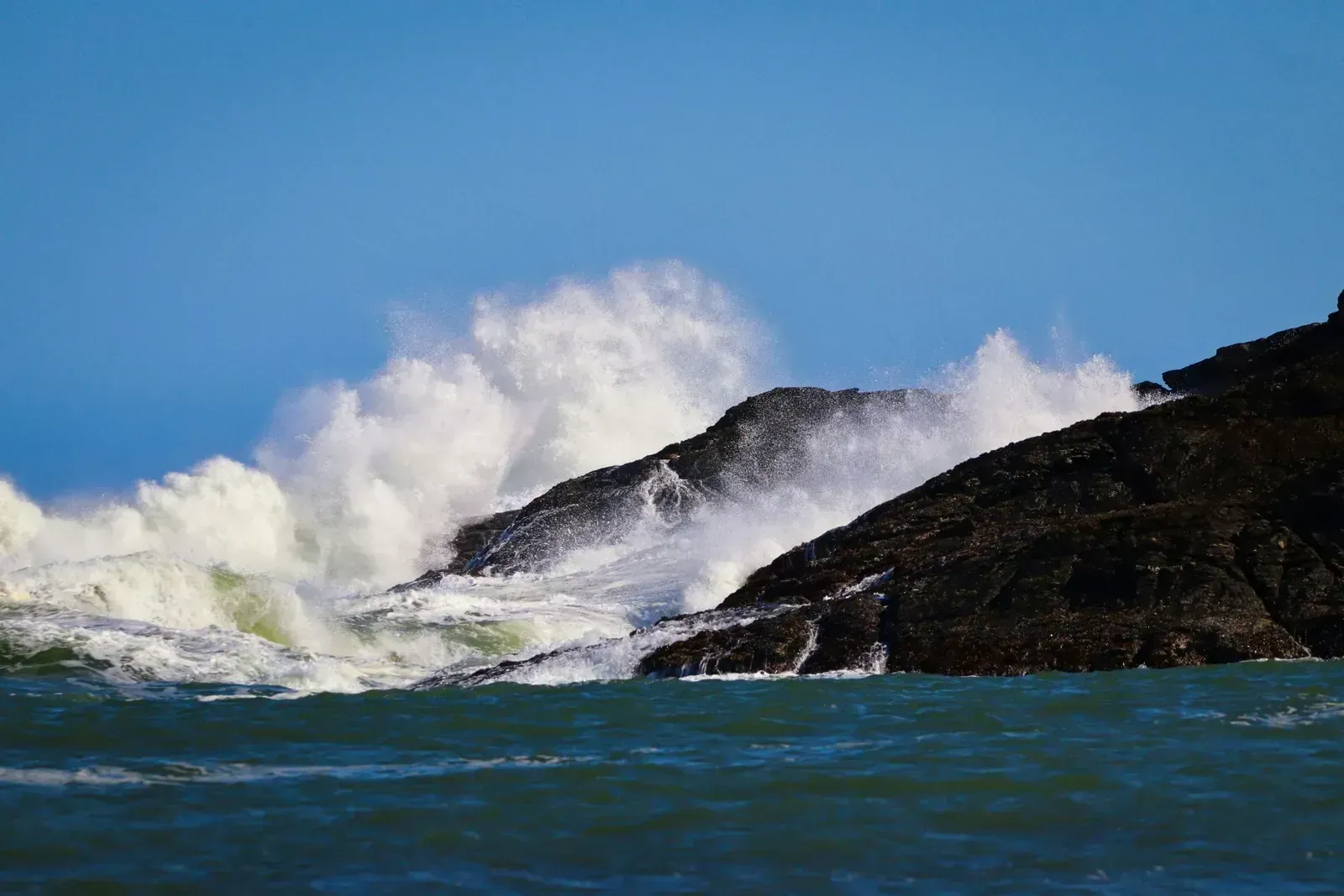
In pictures
Where we recommend staying
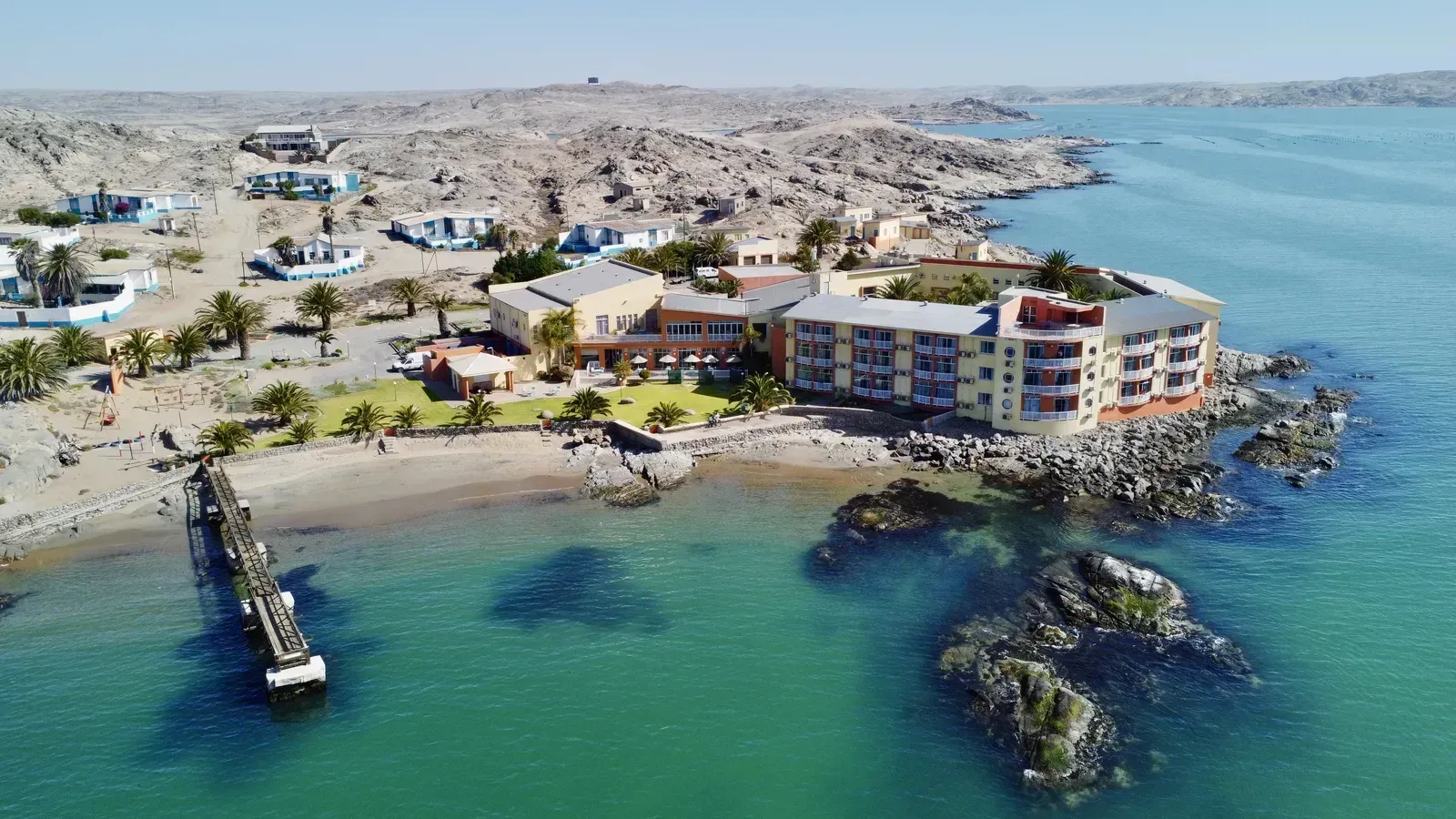
Lüderitz Nest Hotel
A four-star hotel built right on the rocks above its own private tidal beach, the Nest looks straight out over a cold, bright Atlantic — every room with a direct sea view. It's minutes from the Kolmanskop ghost town and the home jetty of the Penguin Catamaran cruise to Halifax Island's African penguins.
Build Lüderitz into your own route
Open our interactive map to drop Lüderitz into a trip, drag your stops into order, pick your travel style and see a live per-person cost estimate — then send the whole plan to us on WhatsApp in one tap.
Open the trip plannerItineraries featuring Lüderitz
Common questions
Where is Lüderitz?
Lüderitz is a coastal town in the far south-west of Namibia, reached by a long tar road across the desert from Aus. It's the gateway to the Kolmanskop ghost town and the diamond coast.
What is Kolmanskop?
Kolmanskop is an abandoned diamond-mining town just inland from Lüderitz. Founded after diamonds were discovered in 1908, it was once among Africa's wealthiest towns; abandoned by 1956, it's now a famous ghost town being reclaimed by the desert sands.
How do you visit Kolmanskop?
Kolmanskop is open to visitors on a permit bought at the gate, with guided tours each morning followed by free time to explore. Photographers can arrange special sunrise and sunset permits for the best light in the sand-filled rooms.
What is there to do in Lüderitz?
Highlights include the Kolmanskop ghost town, the hilltop Felsenkirche, fresh Atlantic oysters, and marine cruises to penguin and seal colonies around Halifax Island and Diaz Point.
How many days do you need in Lüderitz?
One to two nights is usually enough — time for a Kolmanskop morning, a harbour cruise, and an oyster lunch — folded into the wider far-south loop with Fish River Canyon and the Quiver Tree Forest.
When is the best time to visit Lüderitz?
Lüderitz is cool year-round thanks to the cold Atlantic, though often very windy. The wind tends to be lightest in the mornings, which is also the best time for Kolmanskop's light — so early starts are the rule here.