Just outside Keetmanshoop, two of southern Namibia's most iconic sights sit side by side. The Quiver Tree Forest is a surreal national monument near Keetmanshoop, home to hundreds of ancient, otherworldly aloes — one of Namibia’s most breathtaking and iconic photographic landscapes. A few kilometres on, the Giant's Playground is a bizarre rock maze of massive dolerite boulders stacked like toy blocks, a surreal geological wonder perfect for unforgettable photography.
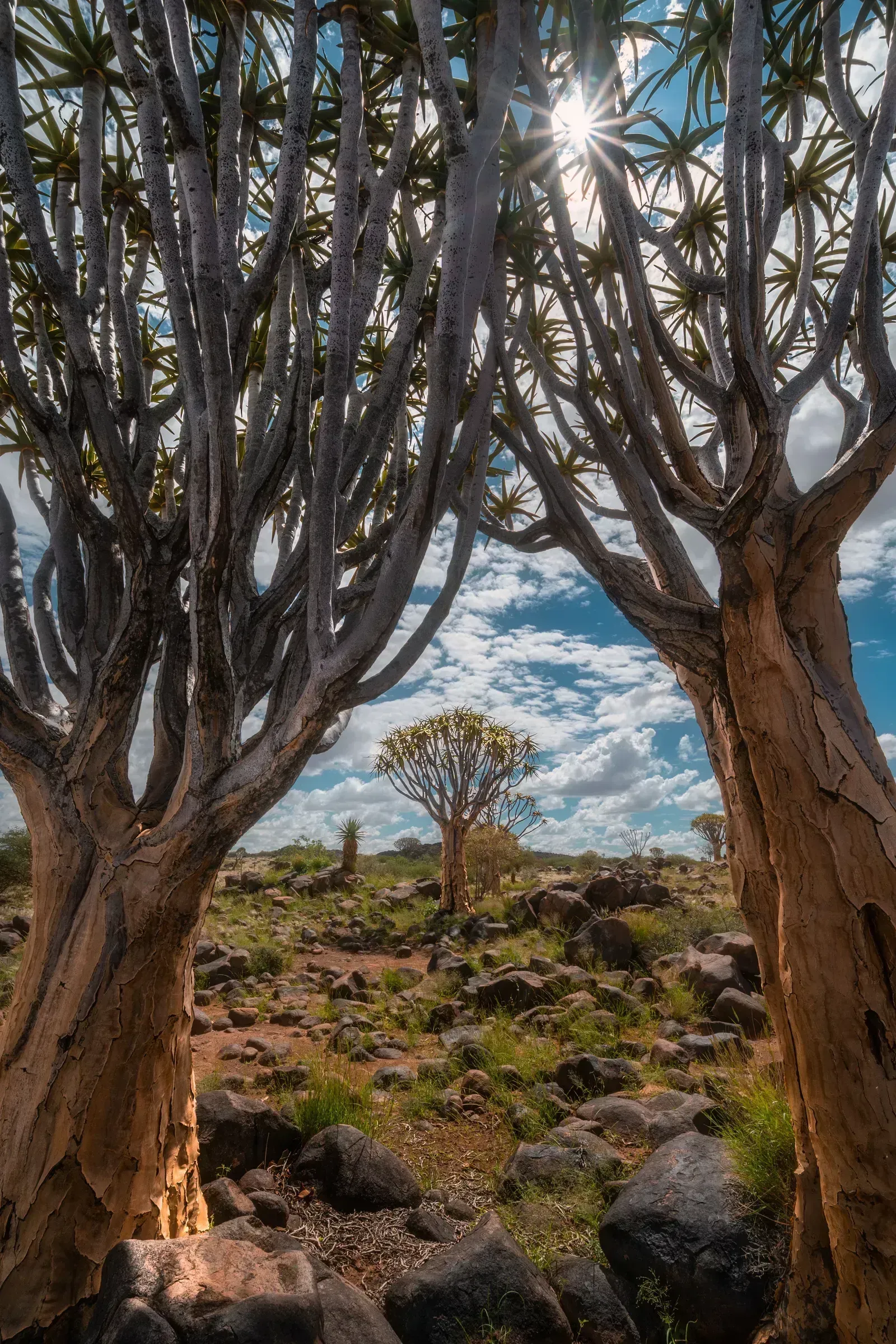
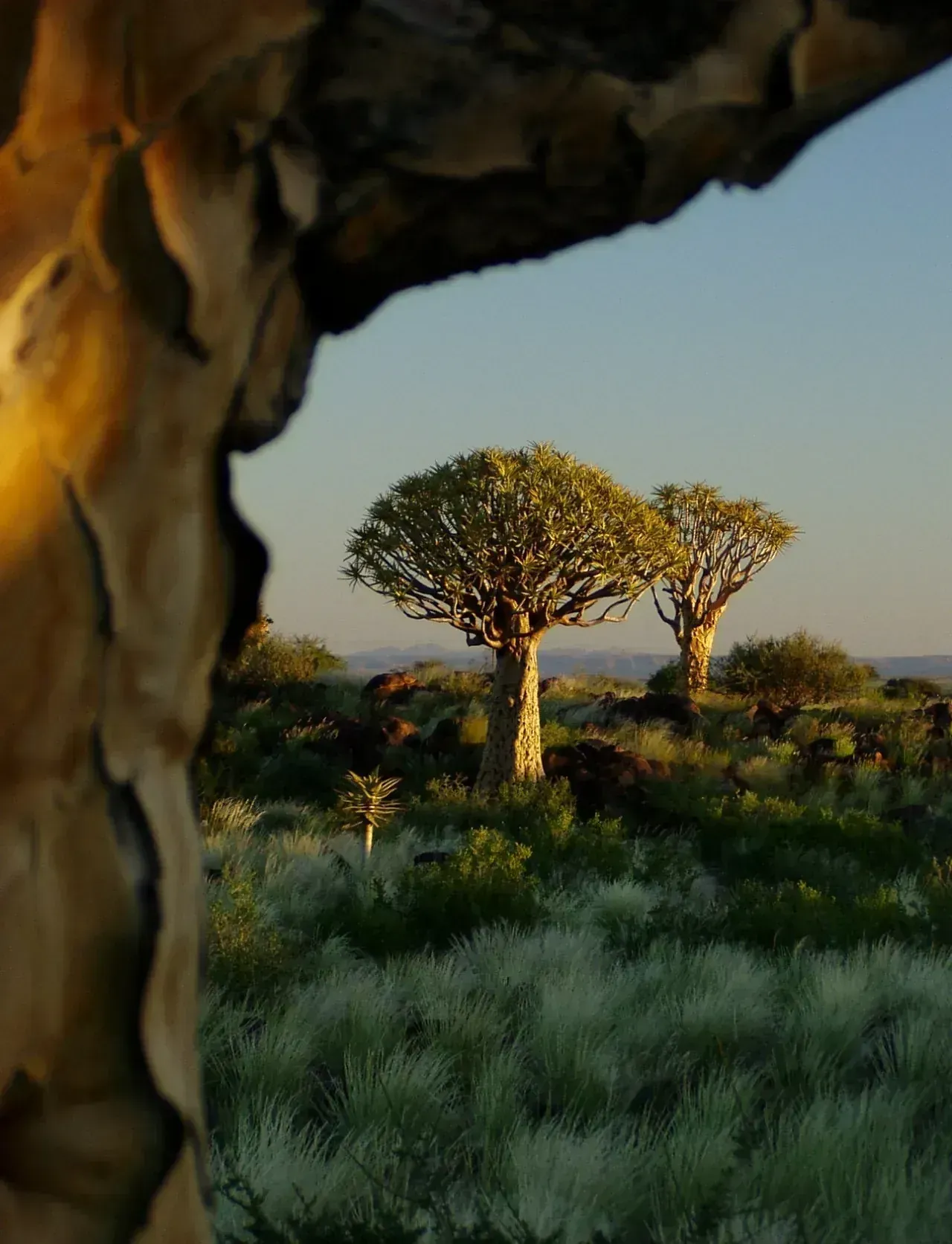
Despite their name, these striking botanical anomalies are actually giant succulents (Aloidendron dichotomum) that can grow up to nine meters tall. The forest got its name from the indigenous San people, who traditionally hollowed out the soft, spongy tissue inside the branches to craft light, durable quivers for carrying their hunting arrows.
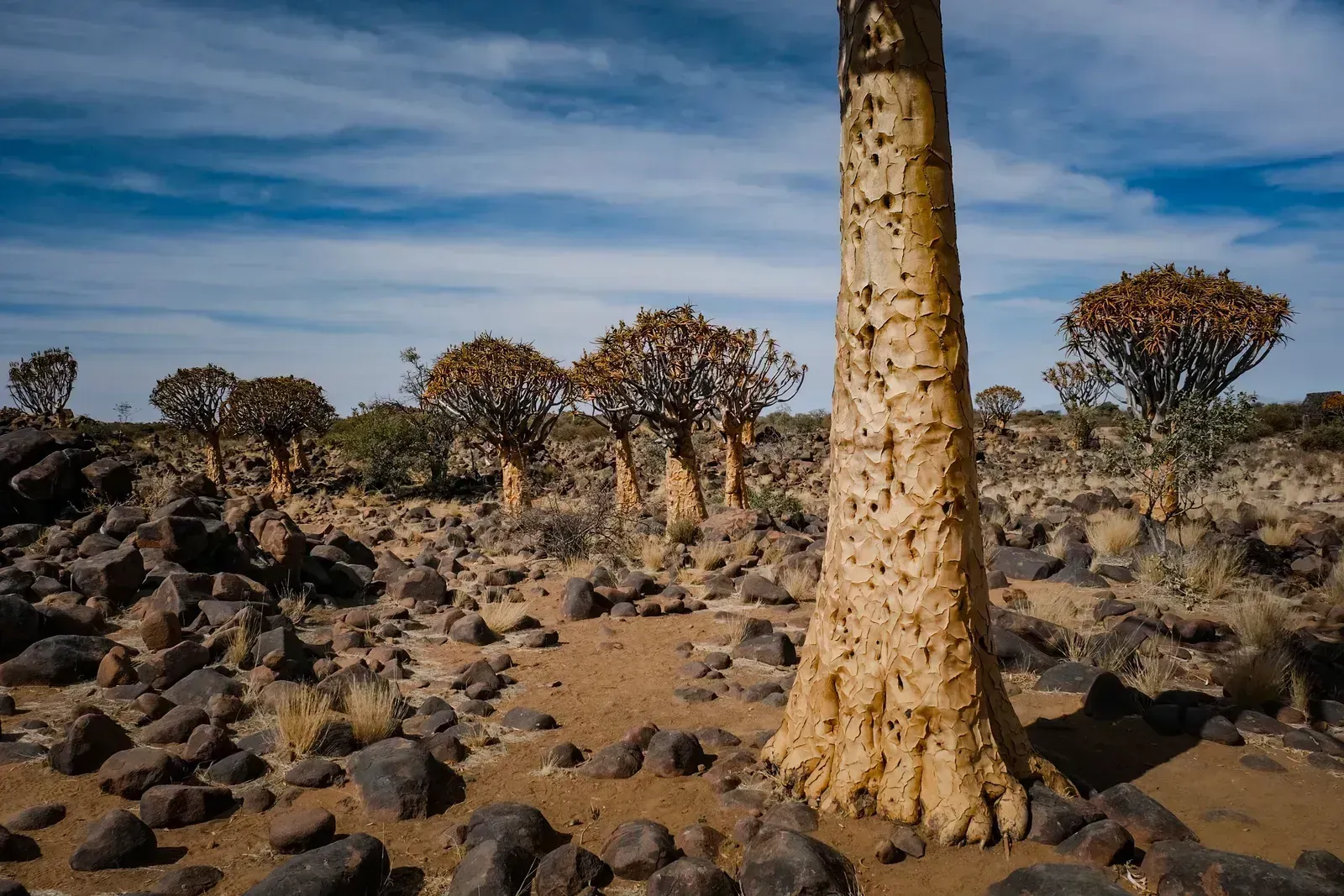
Today, this ancient grove is globally renowned as one of the best sunset spots in southern Africa. At twilight, the glowing bark reflects brilliant gold and bronze hues against the desert sky, making it a critical highlight for any premium Namibia photography tour.
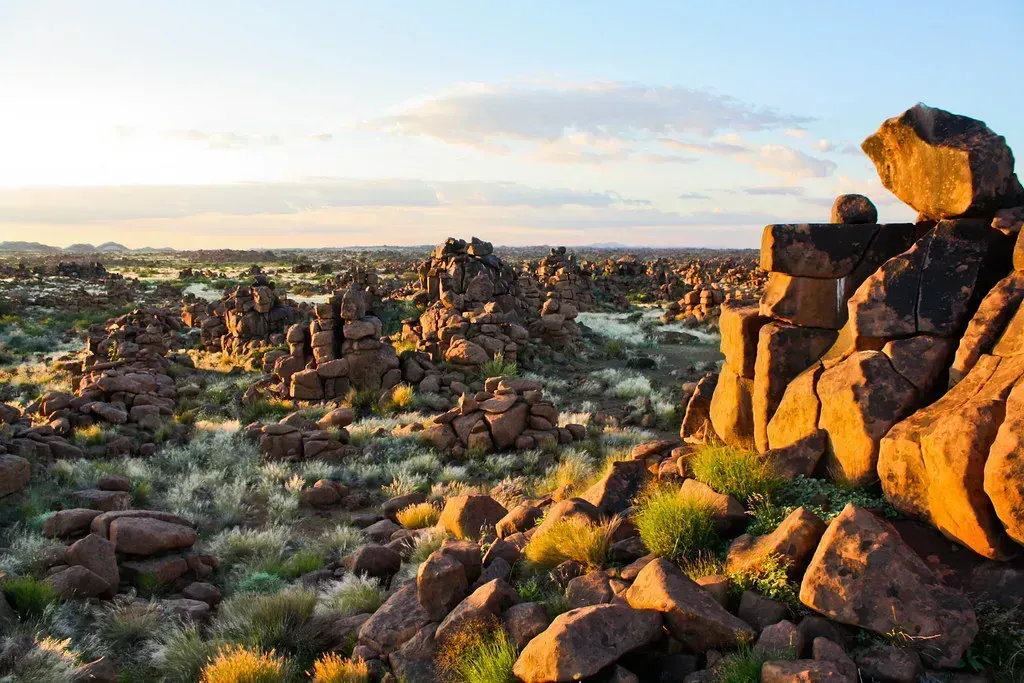
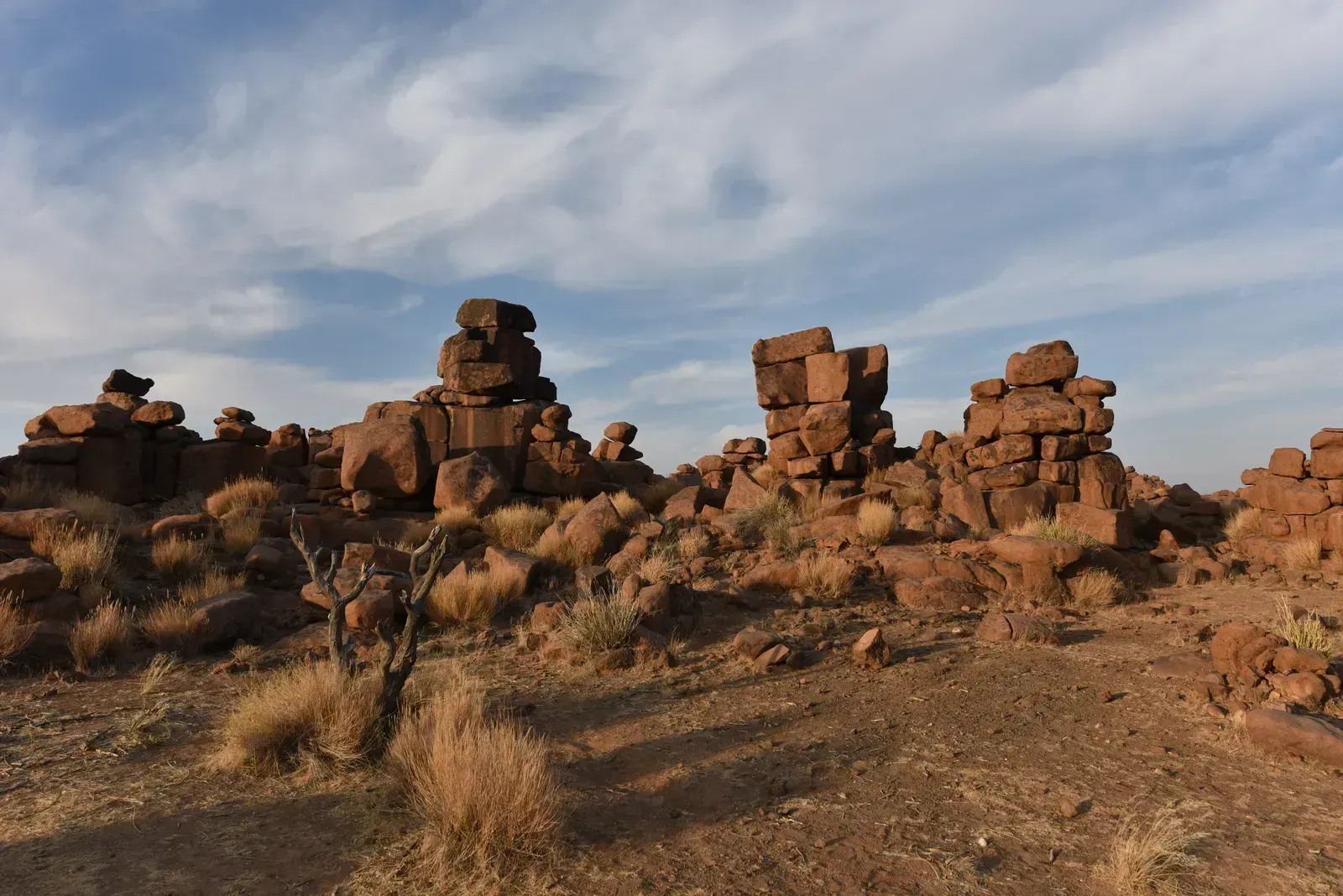
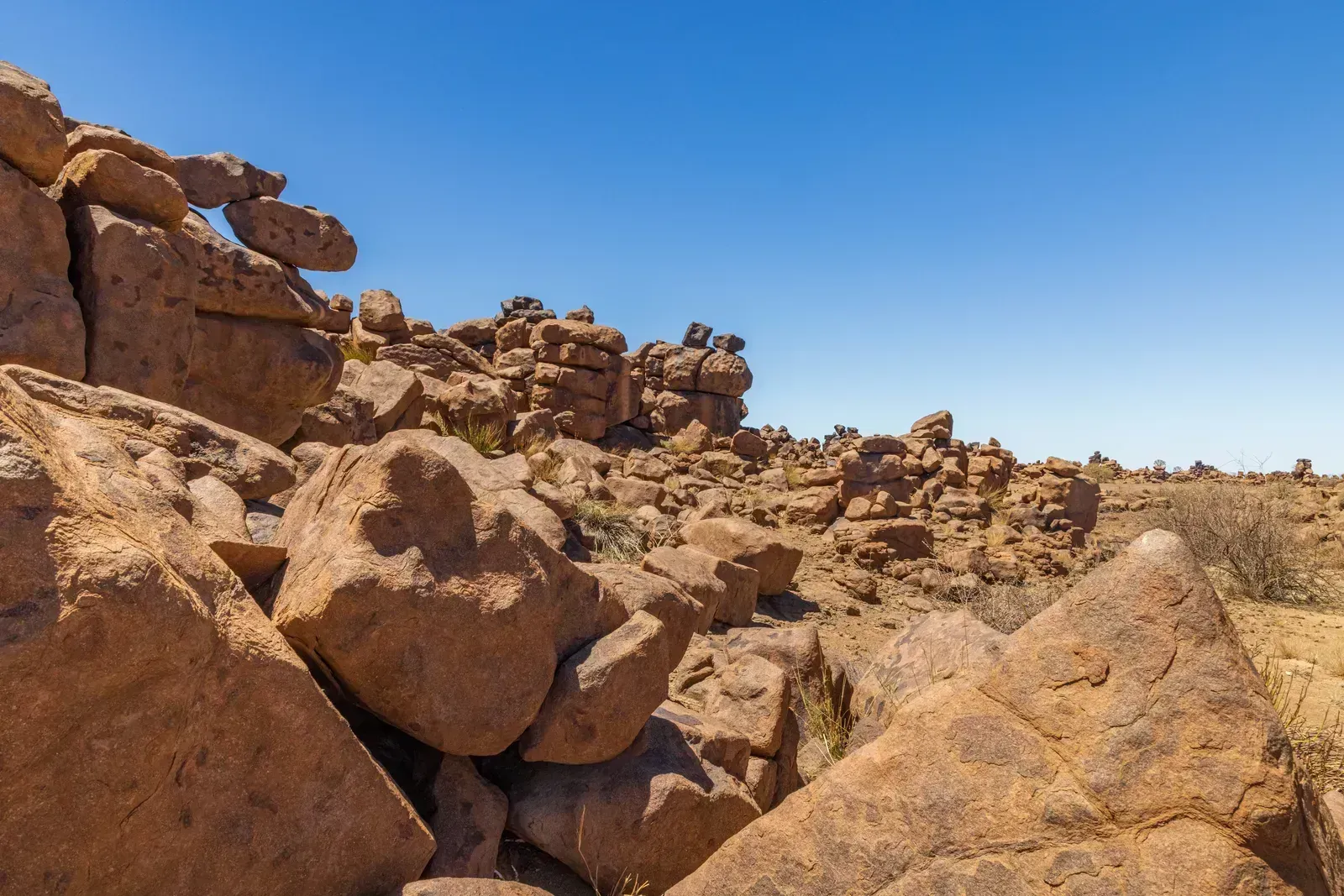
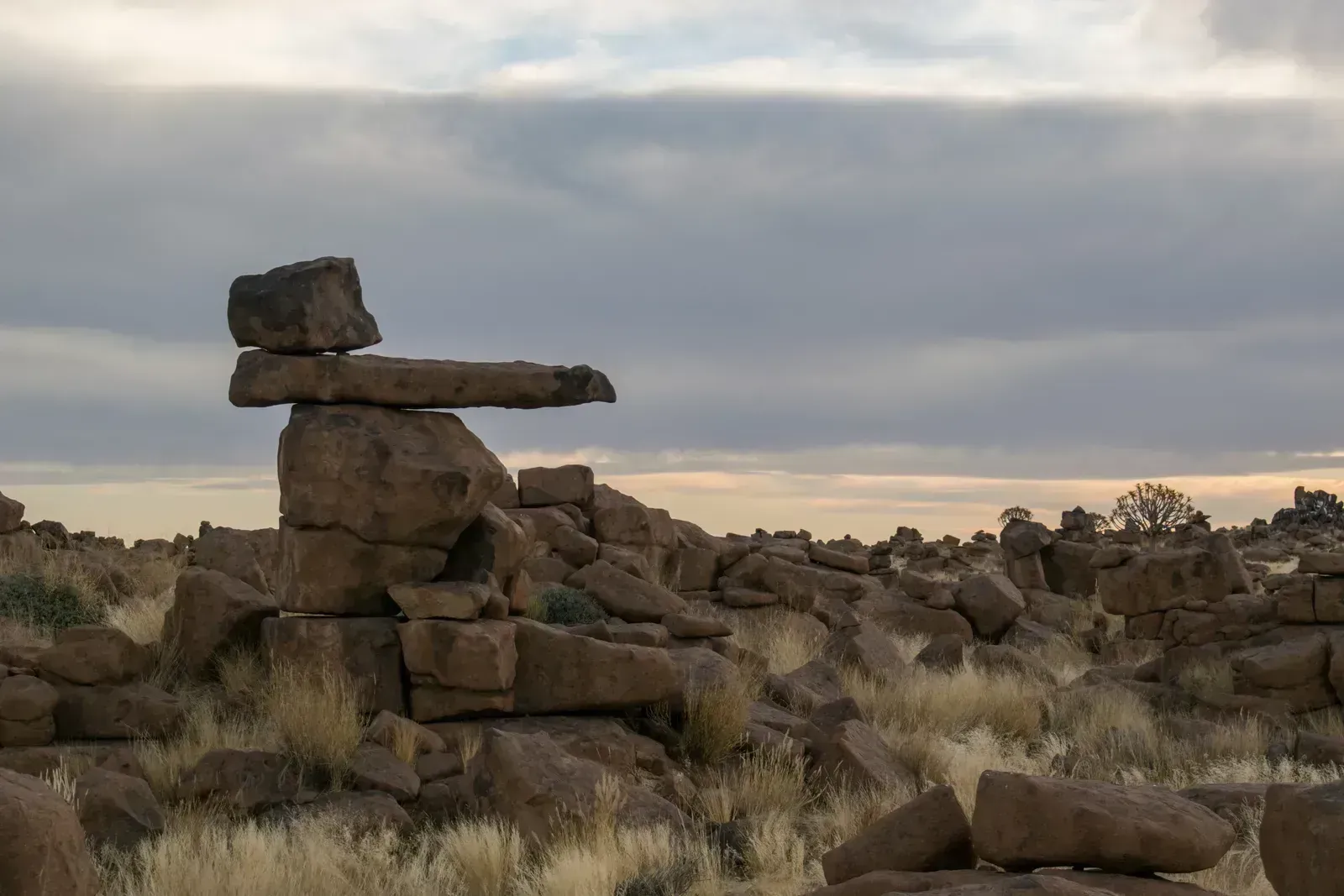
Next door, the Giant's Playground formed over 170 million years ago when cooling underground magma was exposed by eons of surface erosion, leaving ancient dolerite pillars that create a fascinating natural labyrinth. For travelers exploring southern Namibia, walking through these precariously balanced stone towers feels like stepping onto another planet.
Visited together on a single ticket, the Quiver Tree Forest — a national monument hosting rare, upside-down aloes — and the Giant's Playground form an essential stopover on any self-drive itinerary down to the Fish River Canyon, offering spectacular golden-hour views.
Quiver Tree Forest & Giant's Playground
Just outside Keetmanshoop in southern Namibia, two of the country's most surreal sights sit side by side, visited together on a single ticket. The Quiver Tree Forest is a national monument — hundreds of ancient quiver trees (Aloidendron dichotomum), giant succulents that can reach nine metres, their glowing bark turning gold and bronze at sunset. A few kilometres on, the Giant's Playground is a maze of massive dolerite boulders stacked like a giant's toy blocks. Together they make one of the most photogenic stops on any southern self-drive.
The Quiver Tree Forest
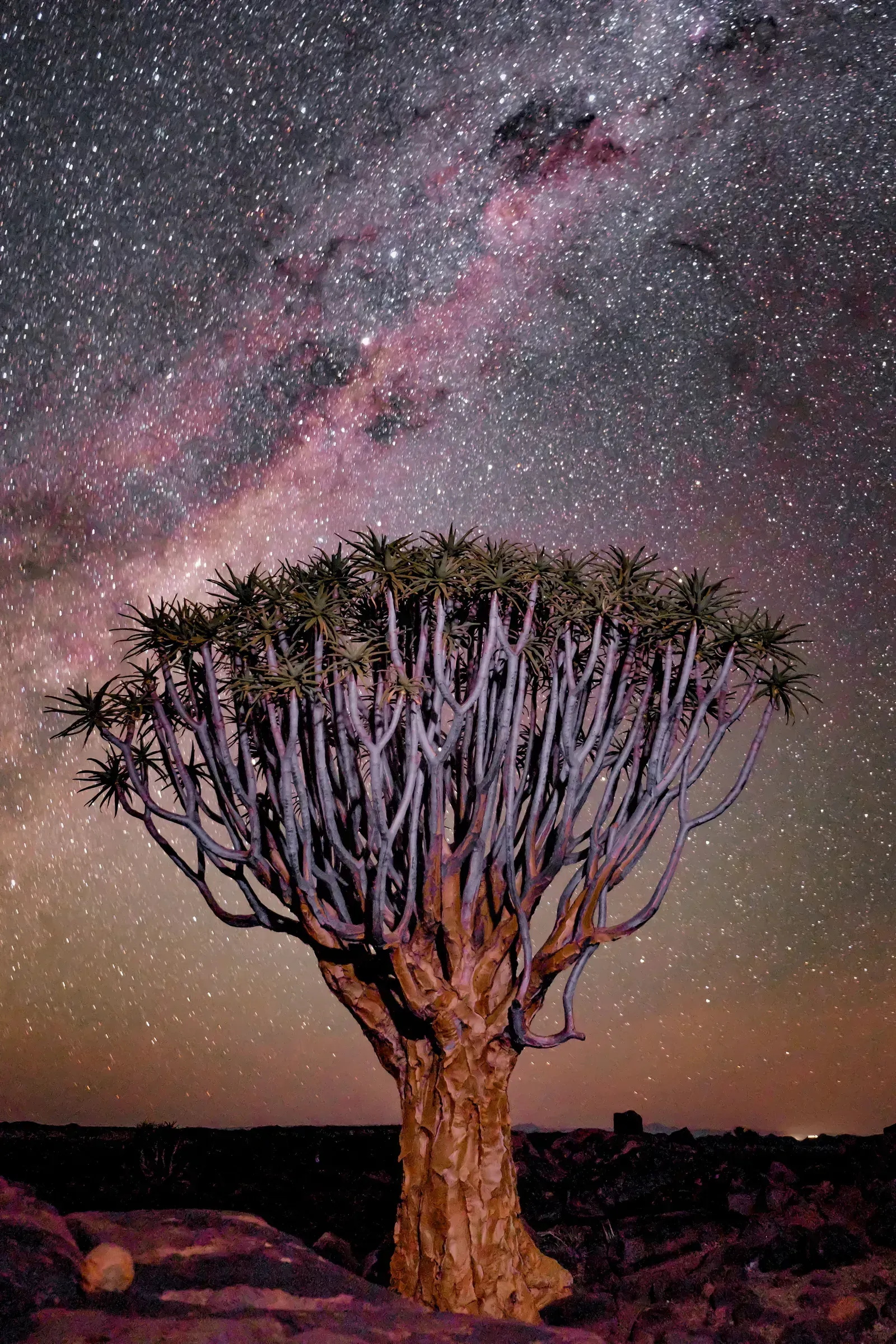
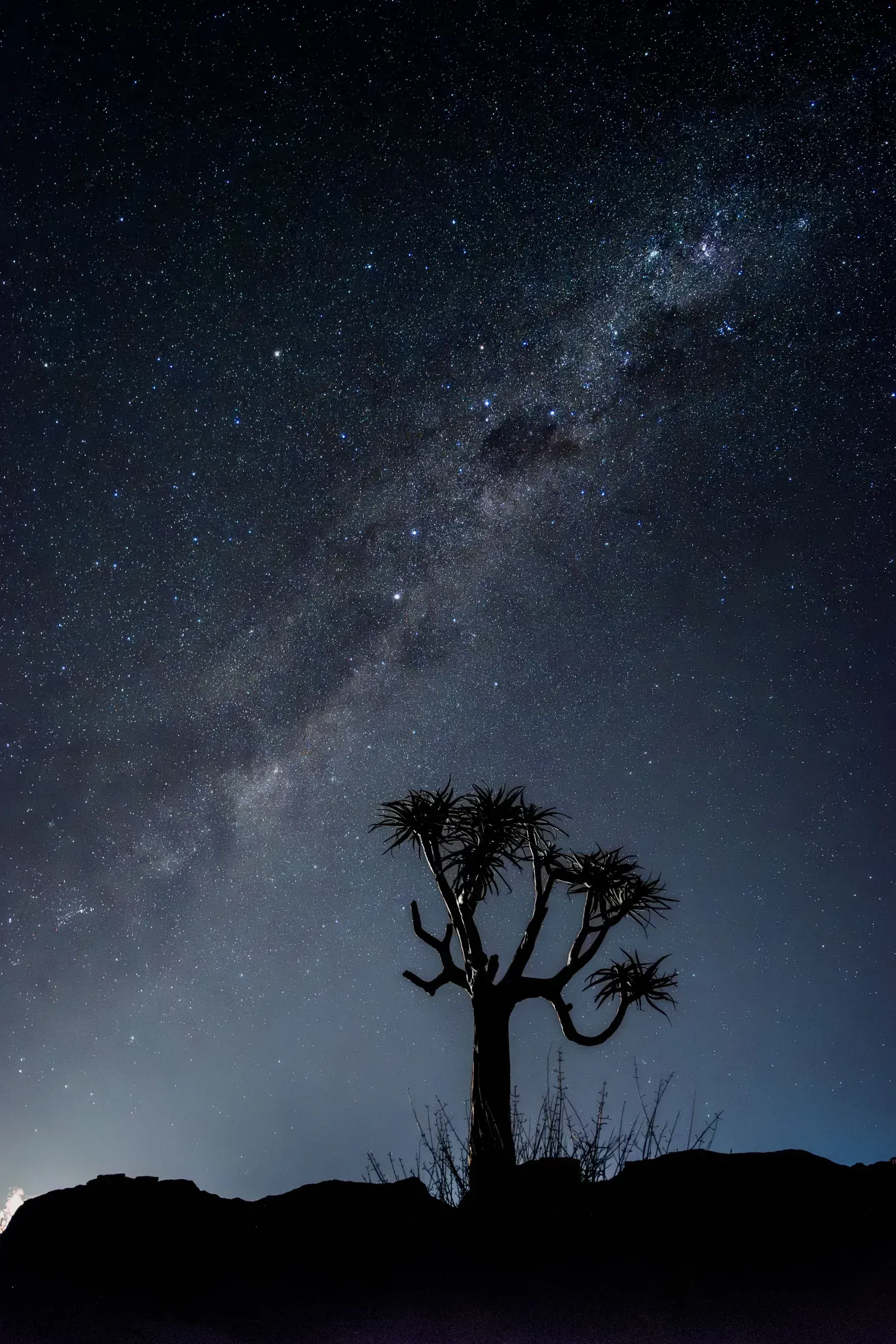
Despite the name, these aren't trees but giant aloes. The San hollowed out their soft, spongy branches to make quivers for their arrows — hence the name. This ancient grove is globally renowned as one of the best sunset spots in Southern Africa: as the light drops, the trees' pale bark blazes gold against a darkening desert sky, and after nightfall the near-total absence of light pollution makes for extraordinary stargazing.
The Giant's Playground
Next door, the Giant's Playground formed over 170 million years ago, when cooling underground magma was later exposed by erosion into precariously balanced dolerite pillars. Walking the natural labyrinth of stacked stone towers feels like stepping onto another planet — and it's another superb golden-hour photography spot.
Visiting the Quiver Tree Forest
- Both sights sit on the same private farm just outside Keetmanshoop and are visited on one combined ticket.
- Go for golden hour — late afternoon into sunset is when both the trees and the boulders glow, and the stargazing afterwards is world-class.
- It's an easy, essential stop on the far-south loop, en route between Windhoek and Fish River Canyon or Lüderitz.
- The farm has its own cottages, so you can stay right beside the forest and catch both sunset and sunrise.
In pictures
Where we recommend staying
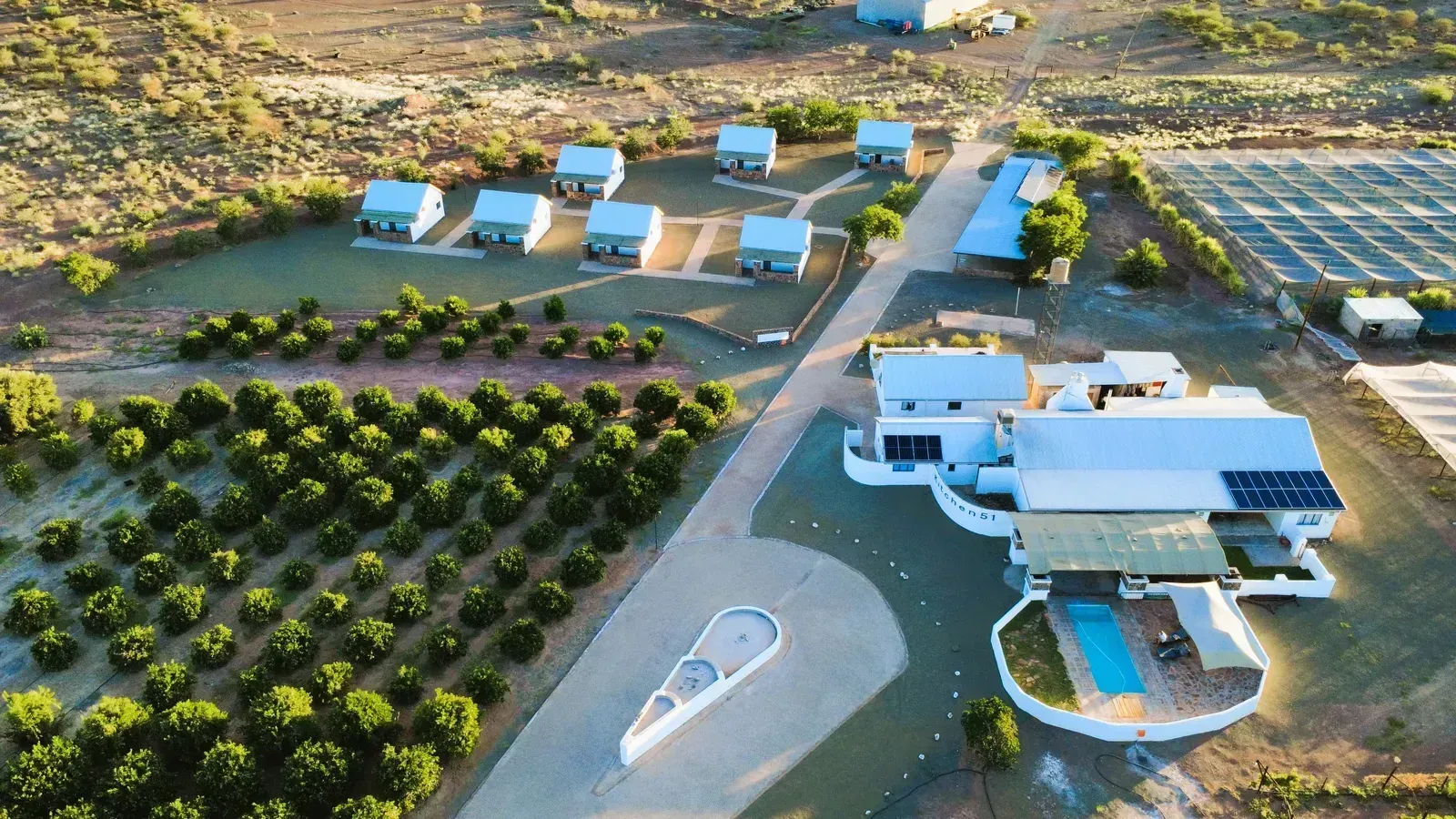
Kitchen51 Cottages
Seven free-standing cottages and a self-catering apartment on a working farm about 40 km from Keetmanshoop, reached straight off the tar — no gravel roads, any rental car. Air-conditioned en-suite cottages with private verandas, a pool, and home-cooked farm dinners you pre-order, with a complimentary cold drink waiting in your fridge when you arrive.
Build Quiver Tree Forest & Giant's Playground into your own route
Open our interactive map to drop Quiver Tree Forest & Giant's Playground into a trip, drag your stops into order, pick your travel style and see a live per-person cost estimate — then send the whole plan to us on WhatsApp in one tap.
Open the trip plannerItineraries featuring Quiver Tree Forest & Giant's Playground
Common questions
Where is the Quiver Tree Forest?
It's on a private farm just outside Keetmanshoop in southern Namibia, a short drive from town, with the Giant's Playground a few kilometres further on the same property.
What is a quiver tree?
The quiver tree (Aloidendron dichotomum) is a giant aloe, not a true tree, that can grow up to nine metres tall. Its name comes from the San, who hollowed out its soft branches to make quivers for their arrows.
What is the Giant's Playground?
It's a natural maze of huge dolerite boulders stacked like building blocks, formed over 170 million years ago from cooled magma later exposed by erosion. It sits right beside the Quiver Tree Forest.
When is the best time to visit?
Late afternoon into sunset is ideal — the quiver trees and boulders glow gold in the low light — followed by exceptional stargazing under the dark southern skies.
Is the Quiver Tree Forest worth visiting?
Yes — it's one of Namibia's most iconic photographic landscapes and an easy, rewarding stop on the far-south route between Windhoek, Fish River Canyon and Lüderitz.