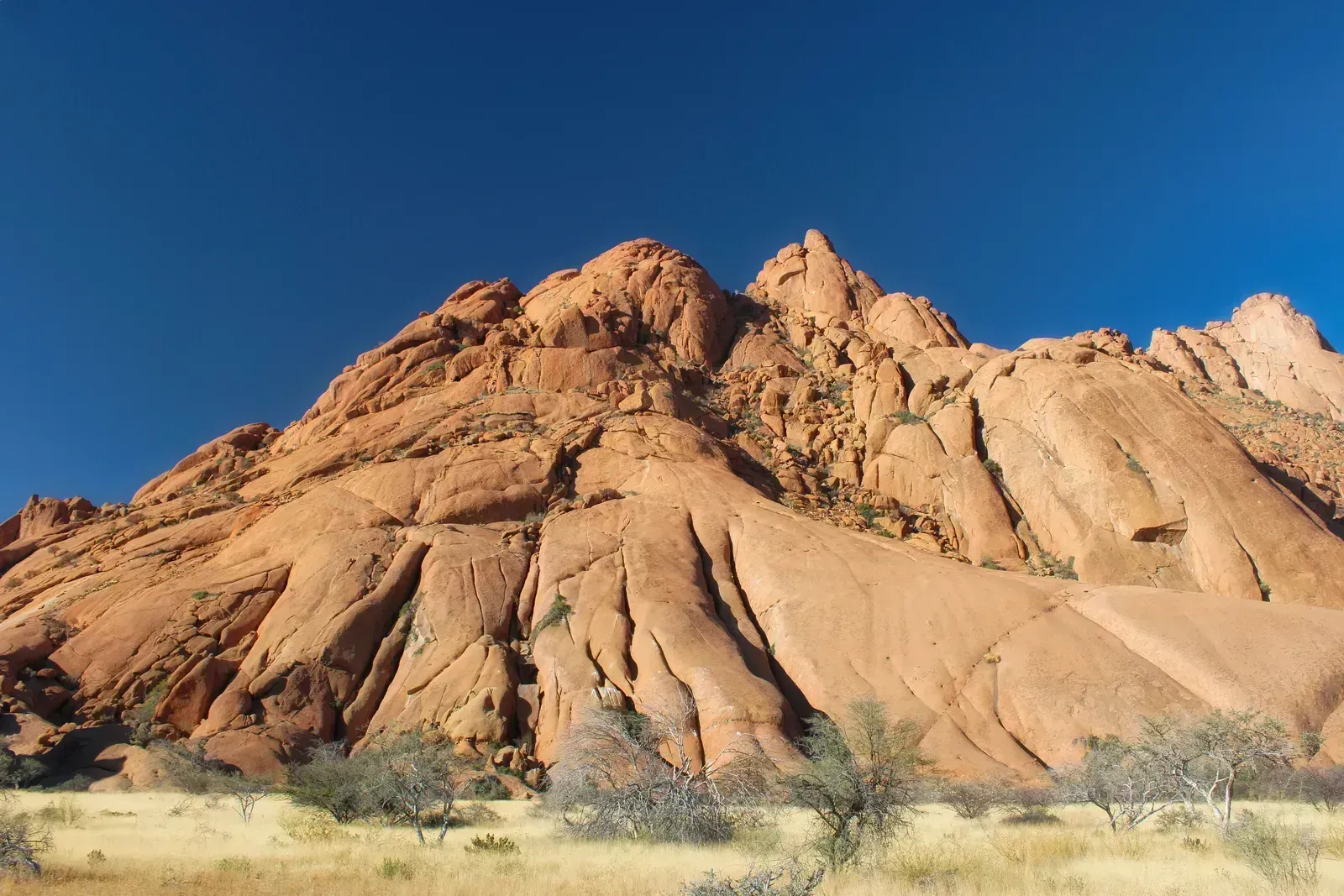
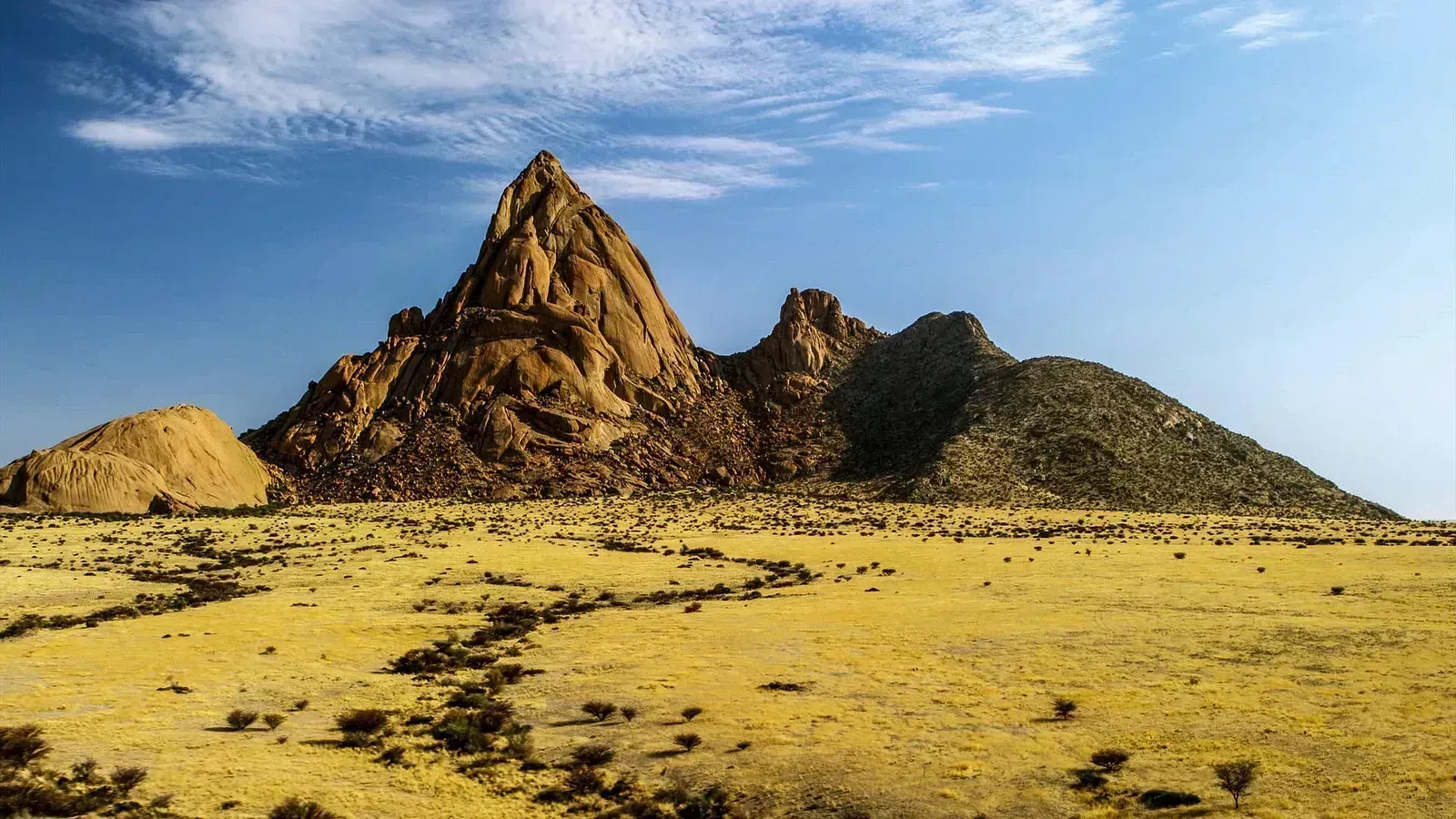
Rising from the desert plains, Spitzkoppe is a surreal island of bald granite peaks. Known as the Matterhorn of Africa, it is a premier destination for photography, bouldering, and stargazing.
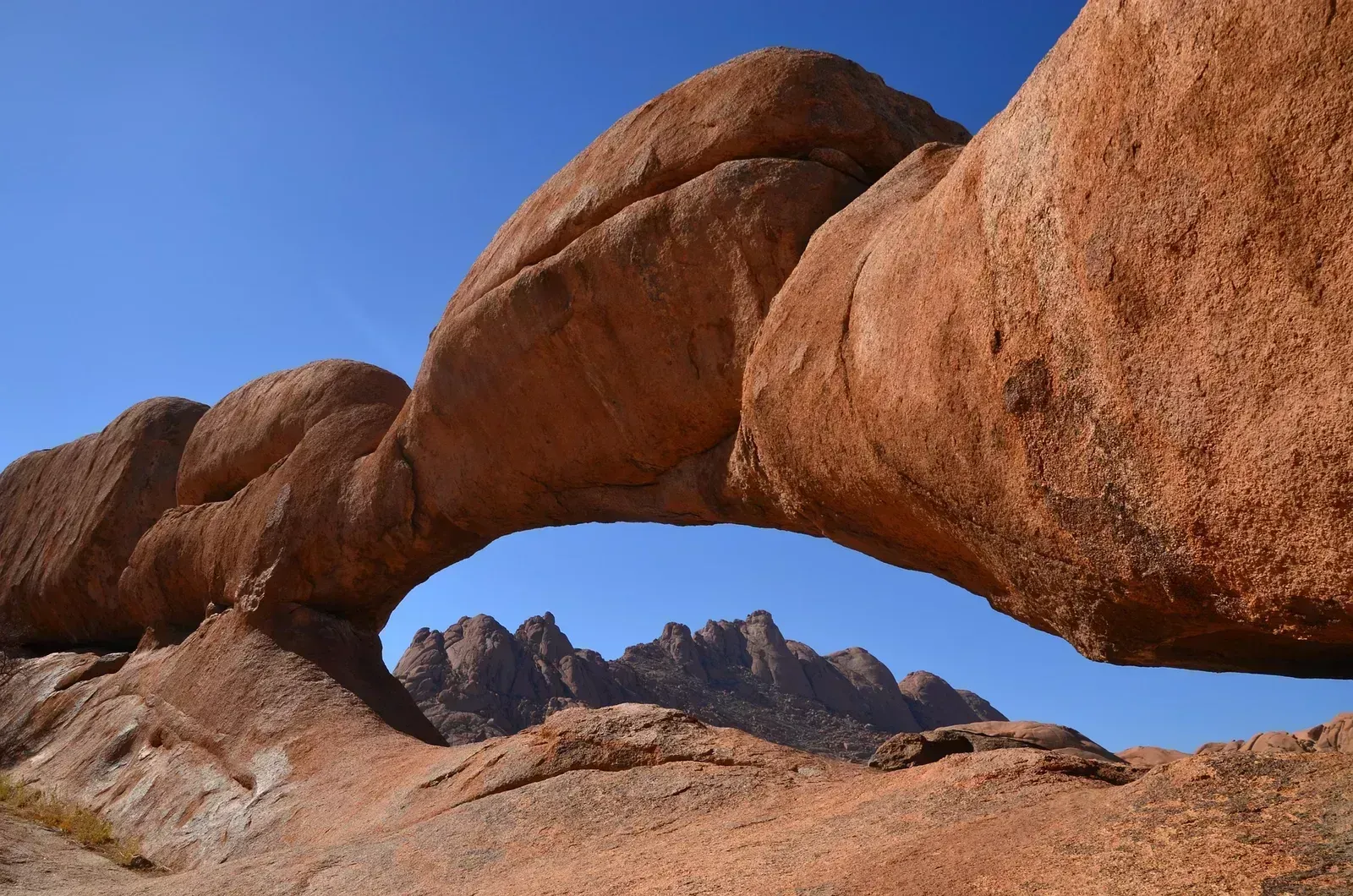
These ancient granite inselbergs are over 120 million years old, sculpted by eons of wind and weather into dramatic arches and giant, stacked boulders. Travelers exploring the wilderness can discover ancient San rock art at the famous Paradise Cave, adding a profound historical dimension to this starkly beautiful landscape.
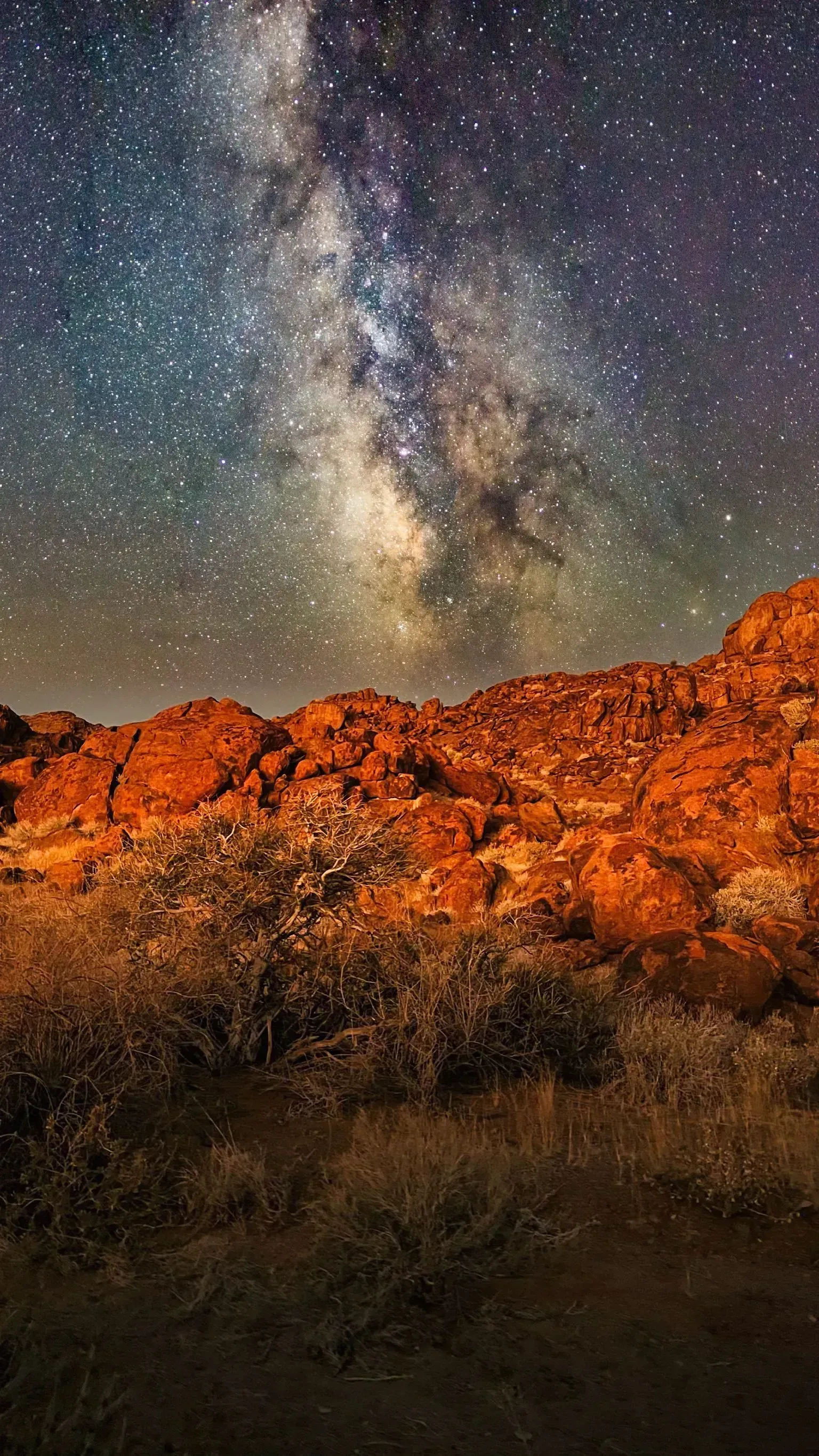
By day, guided day tours reveal spectacular geological formations that are a dream for landscape photographers. By night, with virtually zero light pollution, the area transforms into an unparalleled stargazing paradise. For an upscale experience, premium luxury tented camps offer comfort right beside the rock face.
Spitzkoppe: the Matterhorn of Namibia
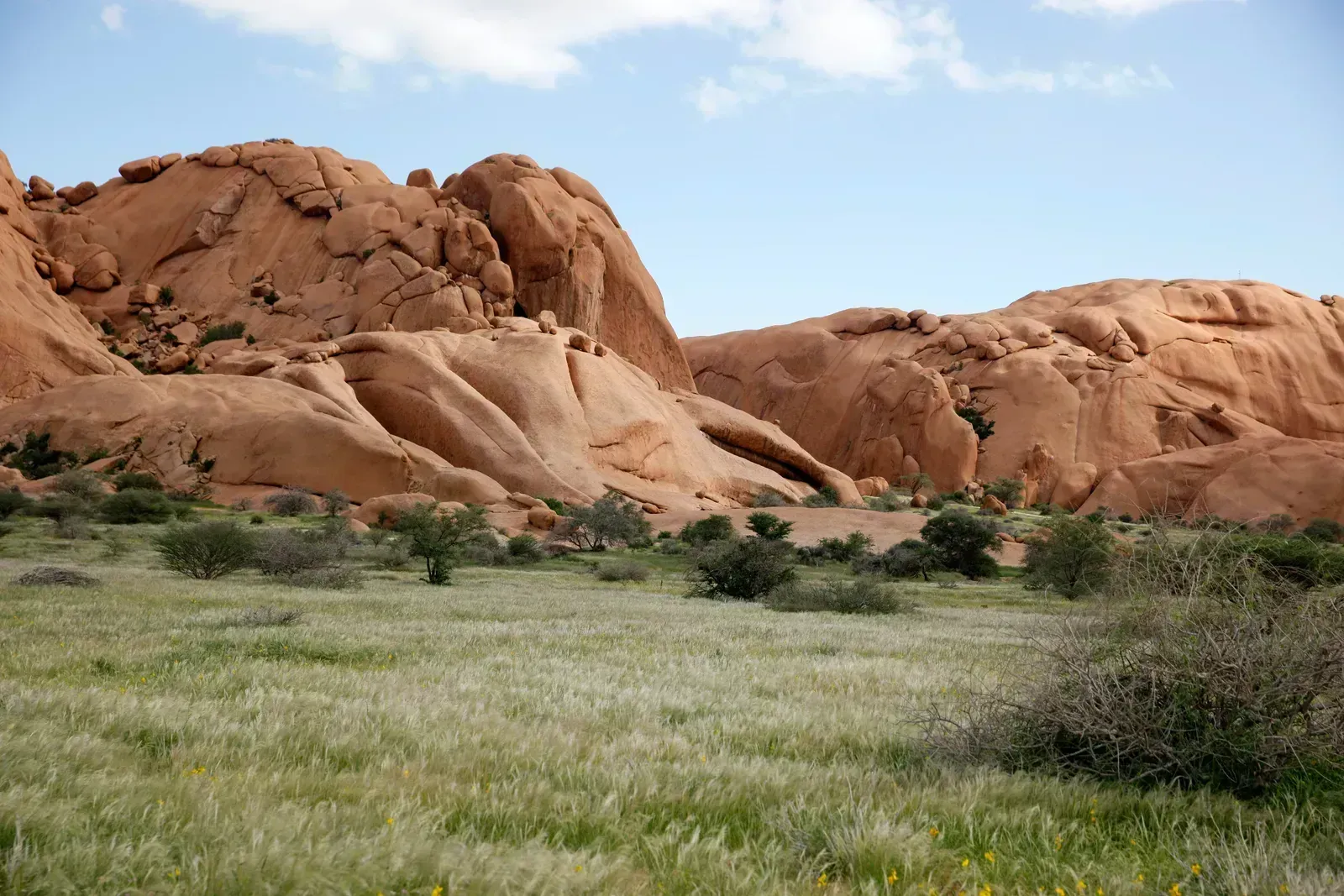
Rising abruptly from the desert plains, Spitzkoppe is a surreal island of bald granite peaks — the "Matterhorn of Namibia." These ancient inselbergs are over 120 million years old, sculpted by wind and weather into dramatic arches and giant stacked boulders that glow ember-red at dawn and dusk. It's a place for slow evenings and dark skies rather than a quick tick-box stop, and it's a premier destination for photography, bouldering and stargazing.
What to do at Spitzkoppe
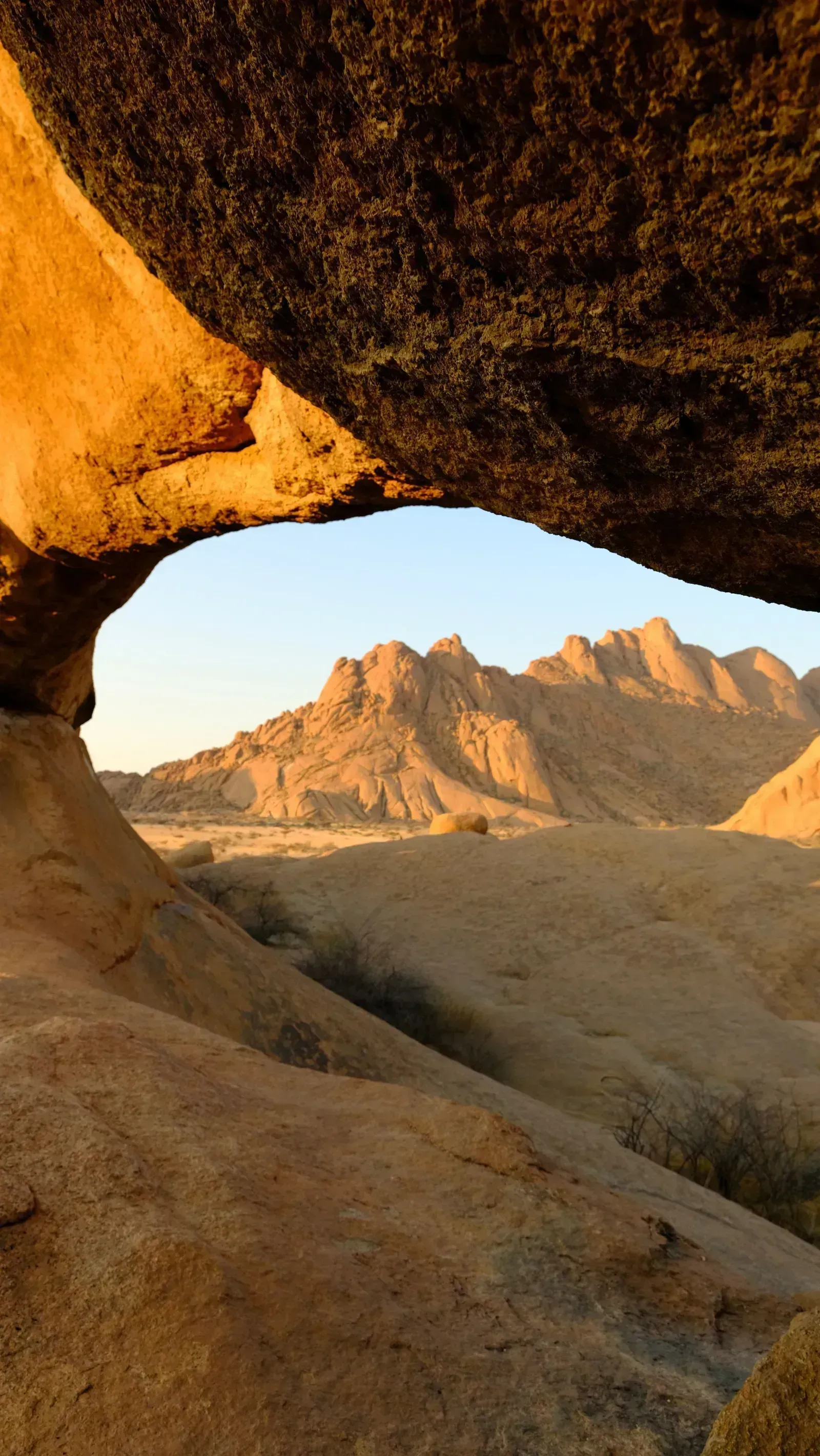
- Photograph the famous Rock Arch, especially framed against sunrise or the Milky Way.
- See ancient San rock paintings at sites like Bushman's Paradise, added evidence of thousands of years of human presence.
- Scramble and boulder among the granite (guided, for the more technical routes).
- Stay for the stars — with virtually zero light pollution, Spitzkoppe is one of the finest stargazing spots in the country.
- Cap a day with a sundowner up on the rocks as the granite turns red and the Brandberg looms on the horizon.
Visiting and staying at Spitzkoppe
Spitzkoppe sits between Swakopmund and Damaraland, an easy add-on when moving between the coast and the north. Accommodation ranges from the simple community rest camp — wild campsites tucked among the boulders under the stars — to upscale tented lodges set right against the rock face. However you sleep, the magic here is the same: granite glowing at either end of the day, and a night sky most guests can't stop looking at.
In pictures
Where we recommend staying
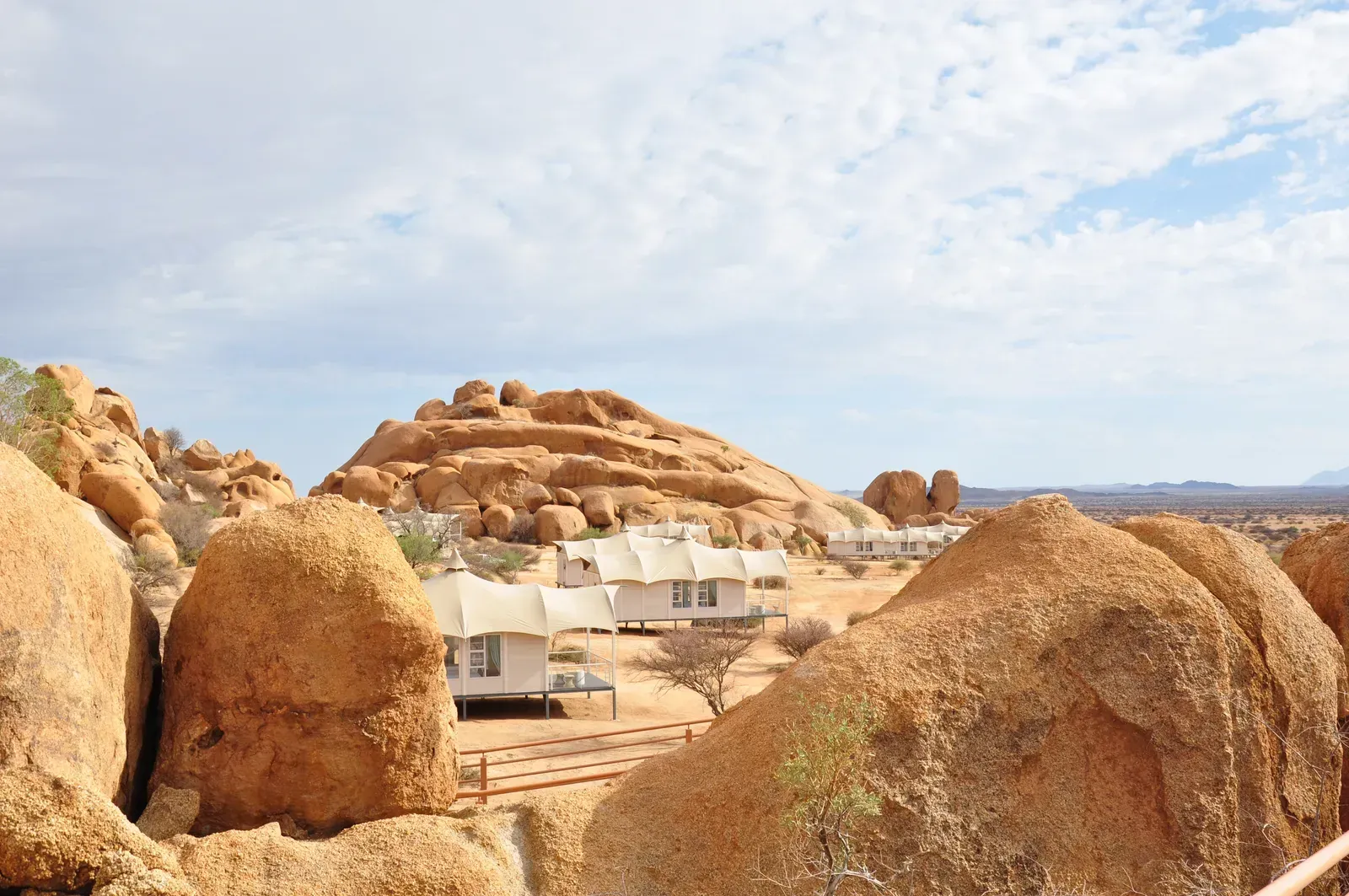
Spitzkoppen Lodge
Set in its own reserve among apricot granite boulders on the massif's northern side, this is the area's standout upmarket lodge. Fifteen glass-walled chalets stand raised on stilts, each with a private deck framing the peaks — and under near-zero light pollution, the stargazing from your own veranda is world-class. Days run on guided rock-art walks, climbing, mountain-biking and sunset drives, then dinner around the fire pit.
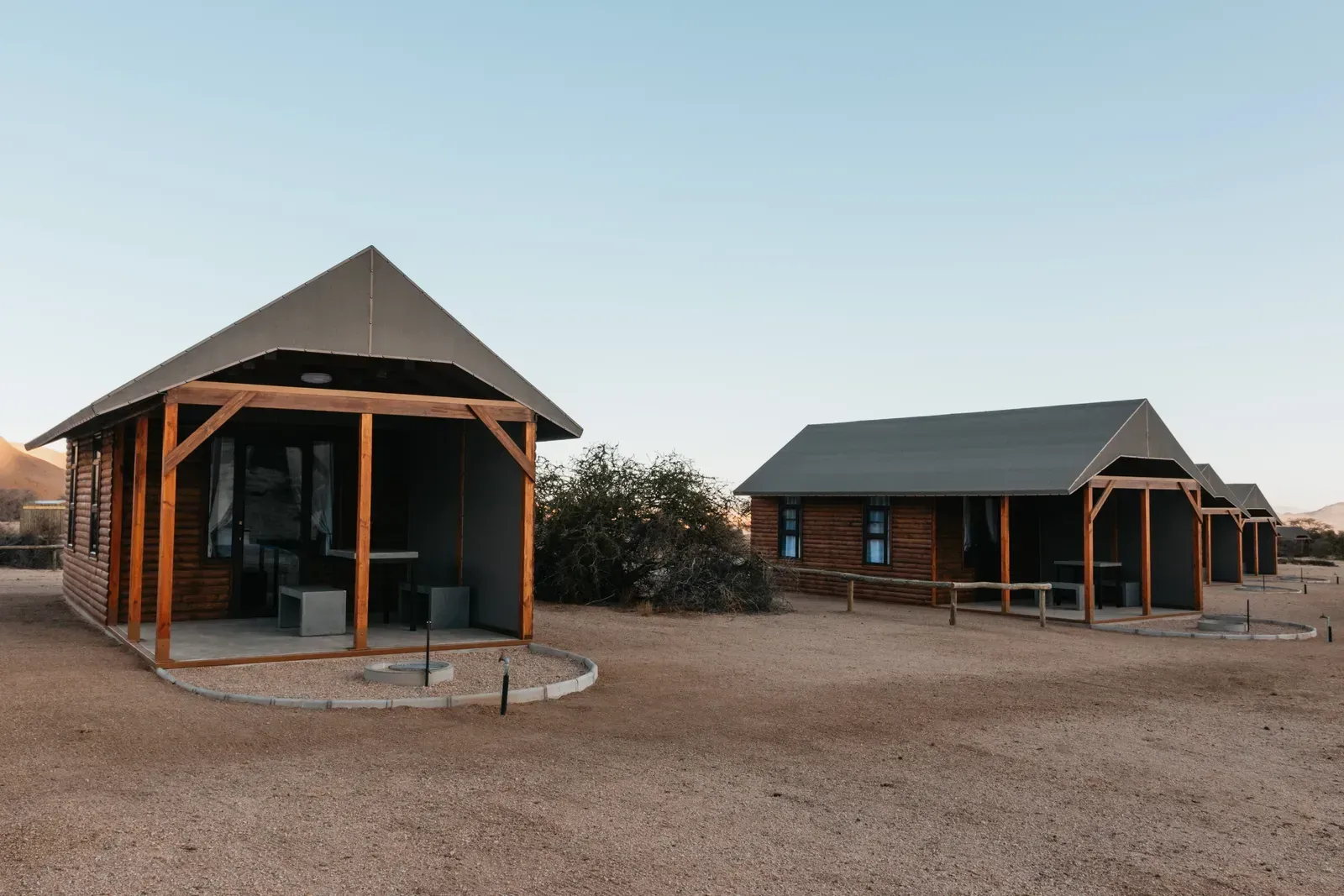
Spitzkoppe Cabin Camp
The middle rung at Spitzkoppe, and for many people the sweet spot: the spirit of camping without the tent. Twelve log cabins, well spread out for the views, each with two single beds made up with linen, a small patio and its own fire pit with a grill. Ablutions with hot showers are shared between every six cabins — a deliberate choice in a place where water is scarce. Self-catering, so bring your food and cooking gear.
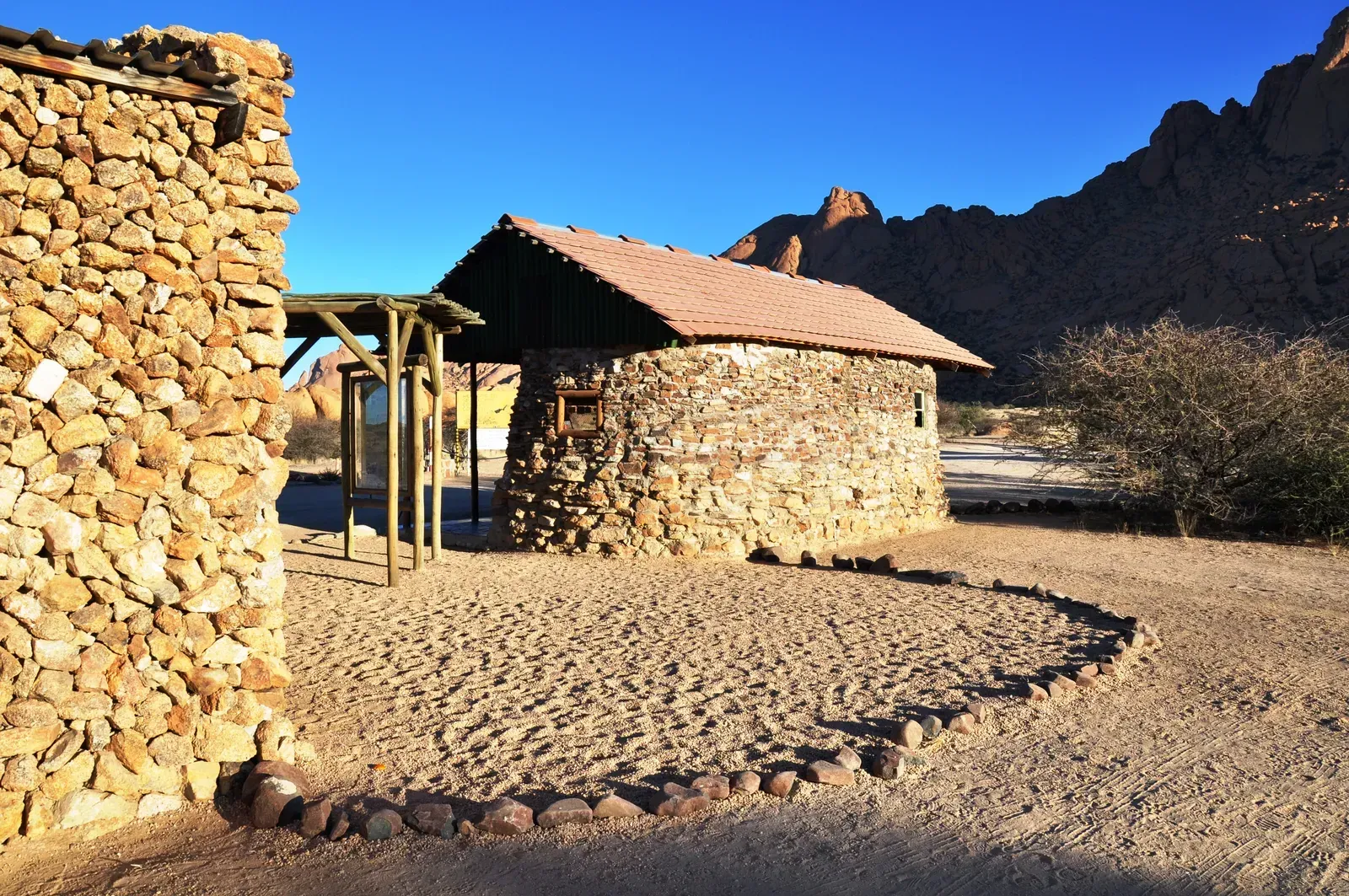
Spitzkoppe Community Rest Camp
The way most people have always done Spitzkoppe, and the camp will tell you so itself: rustic, unfenced sites with no water and no flush toilets, scattered so widely across the reserve that your nearest neighbour may be a kilometre off. Some sit wedged between boulders, some under old trees, a few are cave-like enough to skip the tent altogether. Hot showers, the bar and the restaurant are all up at reception. The park permit is in the rate.
Build Spitzkoppe into your own route
Open our interactive map to drop Spitzkoppe into a trip, drag your stops into order, pick your travel style and see a live per-person cost estimate — then send the whole plan to us on WhatsApp in one tap.
Open the trip plannerItineraries featuring Spitzkoppe
Common questions
Where is Spitzkoppe?
Spitzkoppe is in western Namibia, between Swakopmund on the coast and the Brandberg/Damaraland, rising from the plains as a cluster of granite peaks.
What is Spitzkoppe known for?
It's known as the "Matterhorn of Namibia" — dramatic granite peaks with a famous rock arch, ancient San rock art, superb photography and bouldering, and some of the darkest stargazing skies in the country.
Can you climb or hike Spitzkoppe?
Yes — there's everything from easy walks and bouldering to guided scrambles up to viewpoints like the rock arch. The higher technical routes should be done with a guide.
Can you camp at Spitzkoppe?
Yes. The community rest camp offers wild campsites among the boulders, and there are upscale tented lodges against the rock face for those wanting more comfort — both with exceptional night skies.
Is Spitzkoppe worth visiting?
Yes, especially for photographers and stargazers. Its glowing granite at sunrise and sunset and its dark skies make it a memorable overnight stop between the coast and the north.